Energy Efficient Rooflights
- Fixed quote before we start
- Roof never left open overnight
- 10-year workmanship guarantee

- Fixed quote before we start
- 10 years workmanship guarantee
- 25 years fitting rooflights
- Skylights only, not a general roofer
Energy efficient rooflights in Worthing and West Sussex
Overhead glass is the hardest working glass in a building. It loses heat faster than a wall, it takes more solar energy than a vertical window, and it is the one piece of glazing nobody can reach to shade. Getting the specification right is worth more than any other decision on the job, and it is decided at order because the only way to change it afterwards is to replace the unit.
Two numbers do most of the work, and they pull in opposite directions.
U-value: how fast heat escapes
The U-value measures heat loss, in watts per square metre per degree of temperature difference. Lower is better.
A modern rooflight with a low emissivity coating, an argon filled cavity and a warm edge spacer bar lands somewhere around 1.2 to 1.4 W/m2K as a whole unit. Approved Document L sets 2.2 W/m2K as the limiting whole-unit value for a replacement rooflight in a dwelling, so a current unit is comfortably inside the requirement rather than scraping it.
An older unit is a different matter. A twenty five year old double glazed rooflight with an aluminium spacer and no coating is likely to be somewhere above 3.0, and a single skin polycarbonate dome is worse than an uninsulated wall. Replacing one of those is a genuine thermal improvement rather than a marginal one.
Whole unit or centre pane
Two U-values get quoted for the same rooflight and they are not the same number.
The centre pane value measures heat loss through the middle of the glass only, away from the edges and the frame. It is typically around 1.0 to 1.1 and it is the flattering figure.
The whole unit value includes the frame and the spacer bar edge effect, which is where a great deal of the heat actually leaves. It is typically 1.2 to 1.4 for the same product.
Building Regulations are written against the whole unit. That is the number to ask for and the number a quotation should state. If a quotation gives one figure without saying which it is, it is worth asking.
g-value: how much solar energy comes in
The g-value is the share of solar energy that passes through the glass, expressed between 0 and 1. Clear double glazing is around 0.7. Solar control glass is around 0.4.
In summer the sun is high and strikes overhead glass nearly square on, which is exactly the geometry that maximises gain. A vertical south facing window is partly self-shading at midday. A rooflight never is.
That is why a south or west facing kitchen rooflight in clear glass behaves like a greenhouse from about eleven in the morning, and why solar control is the specification most often dropped to save money and by a wide margin the one most often regretted.
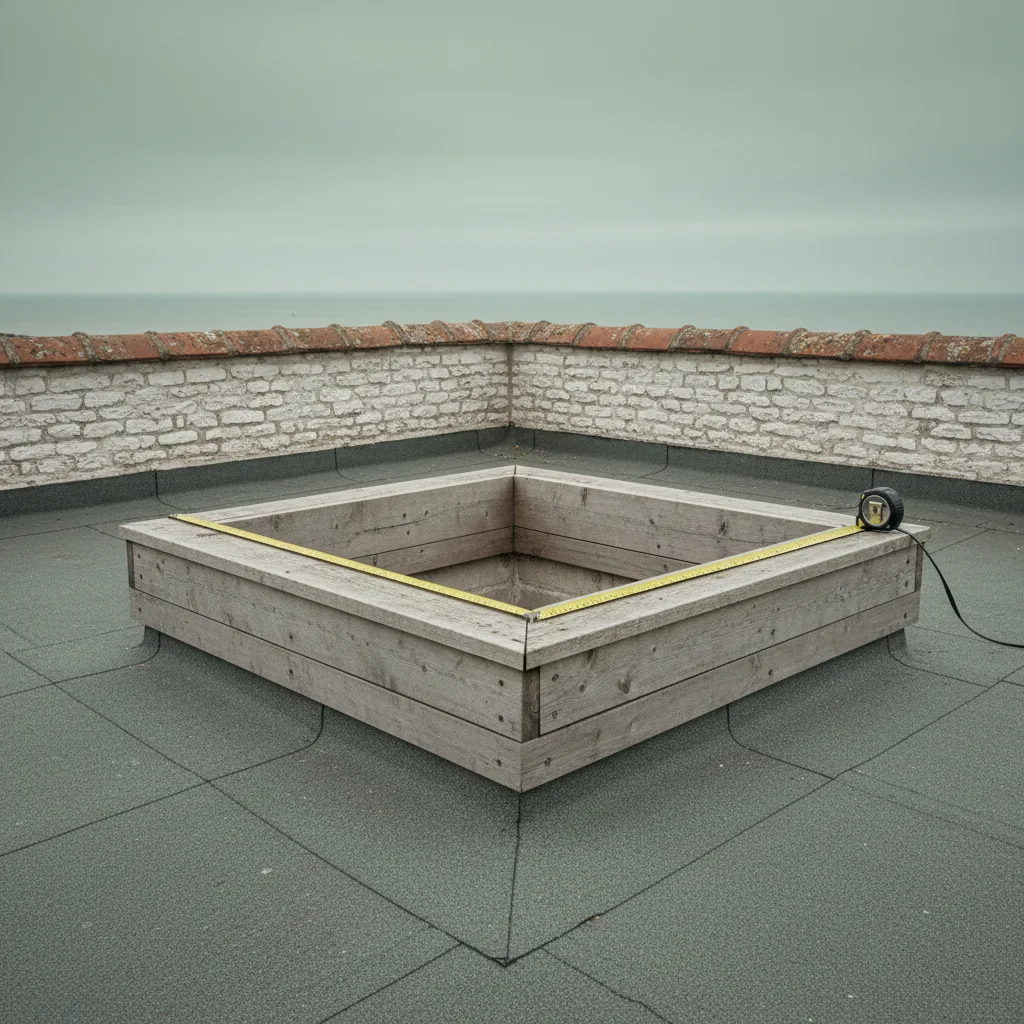
Which elevation you are on decides everything
This is the part that gets specified generically and should not be.
South and west facing. Solar control, without hesitation. A great many rear extensions along this coast face south towards the sea, which is the worst case: full afternoon sun, no shade, and a room people cook in.
North facing. Solar control is the wrong answer. There is no direct gain to control, north light is the most even and useful light in a building, and a solar control coating simply makes a good room darker for no benefit.
East facing. Morning gain, which most people welcome. Clear glass is usually right.
Where a roof carries several rooflights on different elevations, they should not all be the same glass. Specifying per elevation costs nothing extra at order and is almost never done.
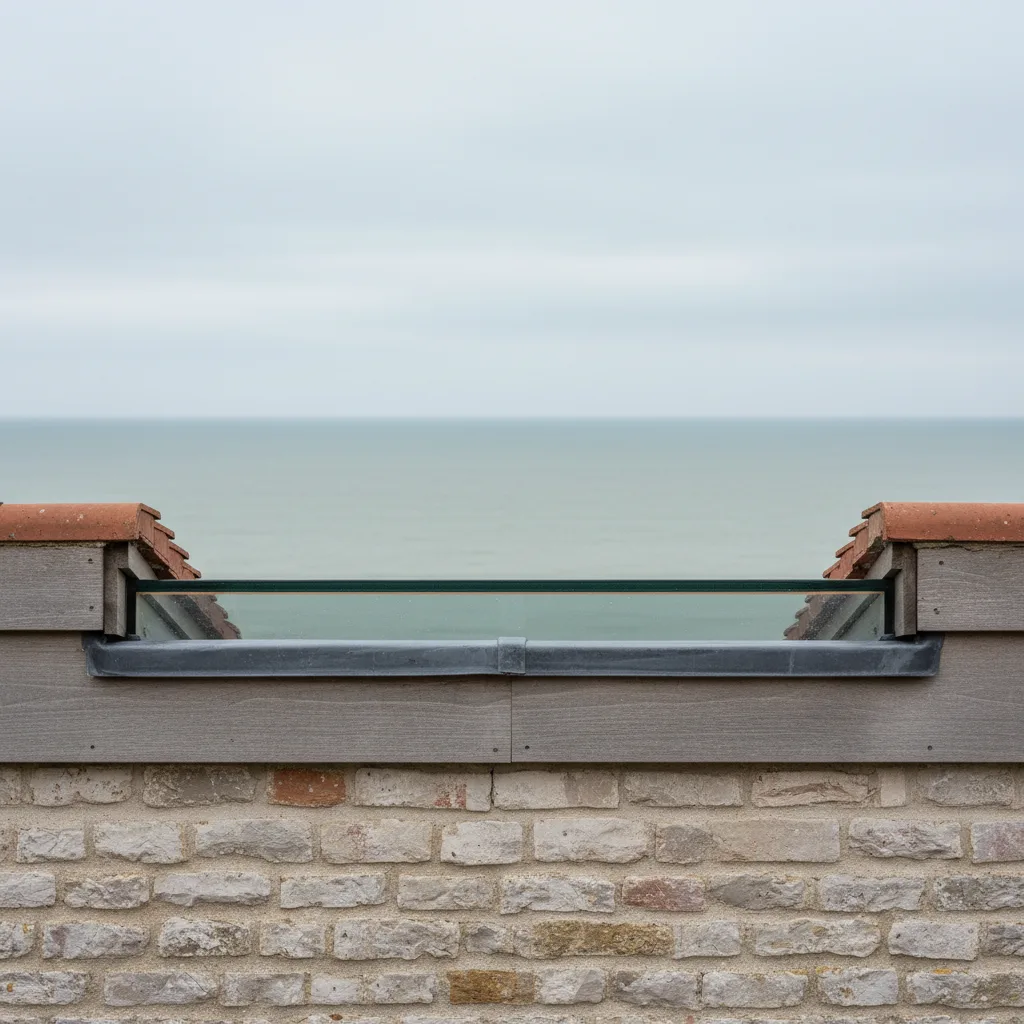
Triple glazing, and when it is worth it
Triple glazing takes a whole unit U-value down to somewhere around 0.8 to 1.0. That is a real improvement, and it comes with two costs.
Weight. A third pane is a third more glass, and on a large unit that means a heavier frame, more structure and sometimes a crane where two people would have managed. Some openings simply cannot take it without redesign.
And a lower g-value as a side effect, typically 0.5 to 0.6, which is useful on a south elevation and unhelpful on a north one.
It earns its place on a room held at temperature all year, on an exposed elevation, or where the rooflight is a large proportion of the room’s envelope. On a modest rooflight over a hallway it is money that would do more spent on the glass specification of the big one in the kitchen.
Warm edge spacers
The spacer bar separates the panes around the edge of a sealed unit. An old aluminium spacer conducts heat straight across the gap, so the edge of the glass runs cold, which is where condensation forms first and where heat leaves fastest.
A warm edge spacer is a low conductivity composite doing the same structural job. It lifts the whole unit U-value, it raises the temperature at the glass edge by several degrees, and it is the main reason a modern unit runs drier around the perimeter than an older one. It is standard on current products and worth confirming on anything quoted as a bargain.

Argon, and whether it stays there
Argon is denser than air and conducts less, so an argon filled cavity performs better than an air filled one. It is standard, it costs very little, and there is no reason not to have it.
It does leak, slowly, through the edge seal. A well made unit loses perhaps one per cent a year, which is immaterial over a normal life. A poorly sealed unit loses it much faster, and the same failing seal is what eventually admits moisture and mists the unit. In practice argon loss is not a separate problem to worry about: it is an early symptom of the seal failure that will announce itself as misting later.
Overheating, and what Part O actually applies to
Approved Document O covers overheating in new dwellings. It does not apply to an extension to an existing house, which is what most rooflight work here is.
That does not mean overheating is irrelevant to an extension. It means nobody will check it for you, and the consequences land on whoever has to sit in the room in July. On a south facing extension with a large glazed area we specify as though it applied, because the alternative is a room that is unusable for two months of the year.

Shading: outside beats inside
Solar gain is stopped most effectively before it reaches the glass. An external awning or shade cuts the energy outside the building. An internal blind intercepts it after it is already in the room, where it has become heat.
An internal blind is comfort, glare control and privacy, and for a bedroom a blackout blind in side channels is the only thing that genuinely darkens a loft. It is not temperature control, and it should not be sold as an alternative to solar control glass. The two do different jobs.
External shading has to survive the weather, which on an exposed Sussex site means a wind sensor or manual retraction rather than leaving it out all winter.
Self cleaning glass, and the pitch it needs
A self cleaning coating breaks down organic dirt in daylight and then lets rain sheet off rather than bead, carrying the residue away. On a rooflight nobody can reach safely, which on a flat roof is most of them, it is genuinely useful.
It needs run-off to work. Below about ten degrees of pitch there is not enough, and on a nearly flat unit the coating does much less than the brochure implies. On a lantern, with real pitch, it works well.
On the coast it does not stop salt film, which is deposited rather than grown and needs rinsing with clean water two or three times a year regardless of coating.
| Specification | Typical whole-unit U-value | g-value | Where it belongs | Where it is the wrong answer |
|---|---|---|---|---|
| Double, low-emissivity, argon filled, warm edge spacer | 1.2 to 1.4 W/m²K | about 0.7 | North facing slopes, and any room that needs the light more than it needs the shade | A south or west facing kitchen, where it behaves like a greenhouse from mid morning |
| Double, solar control coating | 1.2 to 1.4 W/m²K | about 0.4 | South and west facing glass, kitchens, and any large area of overhead glazing | A north facing slope, where there is no gain to control and it only makes a good room darker |
| Triple glazed | 0.8 to 1.0 W/m²K | 0.5 to 0.6 | Rooms held at temperature all year, and exposed elevations | Anywhere the extra weight forces a heavier frame than the opening wants |
| Acoustic laminate | 1.2 to 1.4 W/m²K | about 0.65 | Under a flight path, beside a main road, or where rain noise on a flat unit carries | As a substitute for solar control, which it is not |
| Self-cleaning outer pane | as the build-up beneath it | as the build-up beneath it | Glass that cannot be reached safely to clean, which on a flat roof is most of it | Shallow pitches under about 10 degrees, where there is too little run-off for the coating to work |
U-value is whole-unit and lower is better. The g-value is the share of solar energy let through, so lower means less summer heat and also less winter gain. Approved Document L sets 2.2 W/m²K as the limiting whole-unit U-value for a replacement rooflight in a dwelling; every option below is comfortably inside it.

Acoustic glass
Rain on overhead glass is loud, and a flat pane is drummed on directly in a way a pitched one is not. An acoustic laminate in the outer pane makes a noticeable difference for a modest cost, and it is worth specifying under a flight path, beside the A27, or on any large flat unit over a room people sit in.
It is not a substitute for solar control and does not affect the g-value meaningfully.
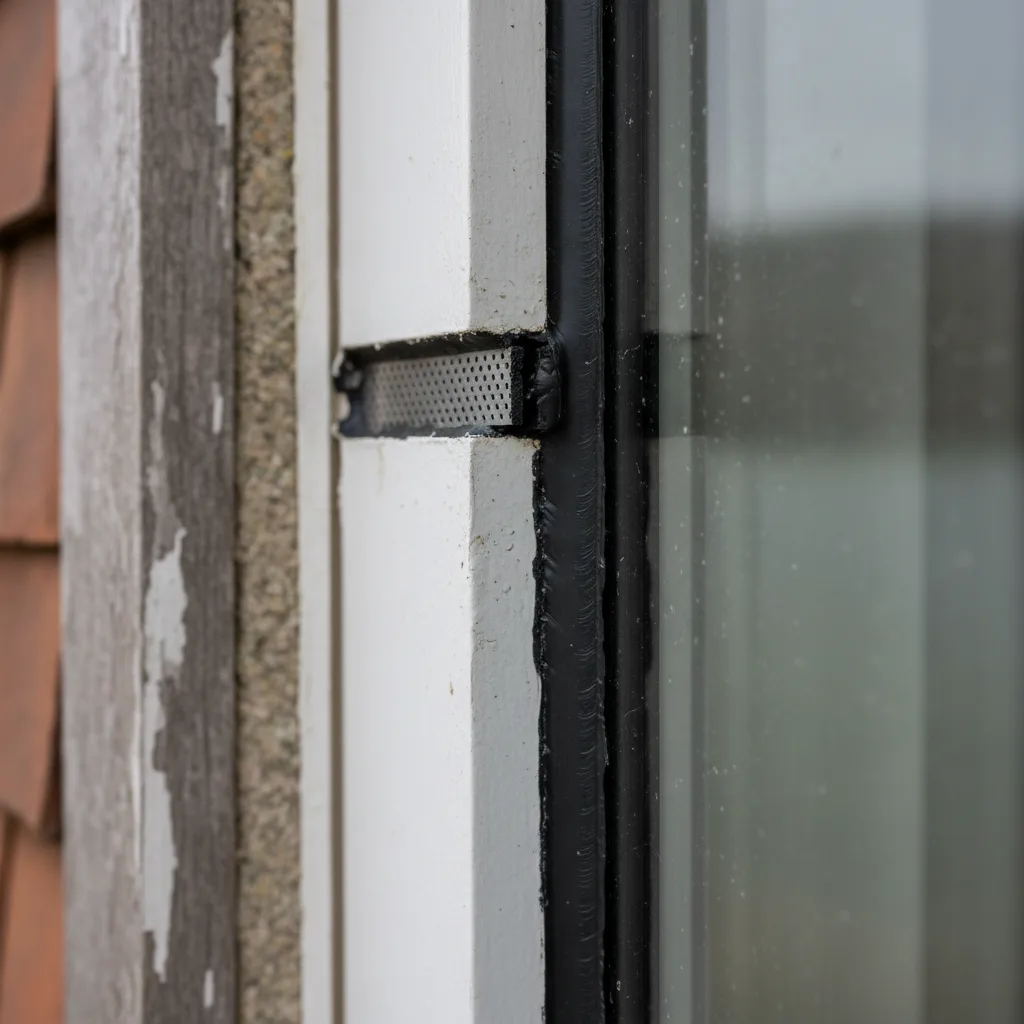
What salt does to the frame
None of the above matters if the frame degrades. On the coastal strip a standard architectural powder coat chalks within three or four years: the surface goes matt and powdery and the colour lightens, and there is no repair short of recoating.
A marine grade coating is a thicker system with a different pre-treatment and does not do that. Stainless fixings rather than plated, throughout. On the seafront this is not an efficiency question but it is the difference between a specification that lasts and one that only measures well on paper.
How we specify it
At survey we record which way each opening faces, what the room is used for, how much glass it already has and whether it overheats now. Then we specify per unit rather than per job.
The quotation states the whole unit U-value and the g-value for each rooflight, so what you are buying is legible rather than implied.
In this section
Acoustic laminates under a flight path or beside the A27
Read moreAre rooflights and skylights double or triple glazed?
Read moreAre rooflights and skylights energy efficient?
Read moreArgon fill, and how long it actually stays in the unit
Read moreCan a rooflight or skylight be too big for building regulations?
Read moreCan you add solar control to an existing rooflight?
Read moreDo blinds reduce heat through a rooflight or skylight?
Read moreDo rooflights and skylights need to meet building regulations for heat loss?
Read moreDoes a rooflight or skylight affect an EPC?
Read moreDoes a rooflight or skylight lose more heat than a window?
Read moreDoes argon leak out of a sealed unit?
Read moreExternal shading against internal blinds
Read moreHow do I stop condensation on a rooflight?
Read moreIs a rooflight or skylight colder than a ceiling?
Read moreIs triple glazing worth it in a rooflight?
Read moreNorth light, and why solar control is the wrong answer there
Read moreOverheating, Part O, and what applies to an extension
Read moreSalt exposure and coating life on a coastal frame
Read moreSelf cleaning glass, and the pitch it needs to work
Read moreSolar control glass on a south or west facing roof
Read moreTriple glazing overhead, and the weight it adds to the frame
Read moreU-value and g-value, and why they pull in opposite directions
Read moreWarm edge spacers and the cold line at the glass edge
Read moreWhat is a g-value?
Read moreWhat is a warm edge spacer?
Read moreWhat is self cleaning glass?
Read moreWhat is solar control glass?
Read moreWhat is the best glass for a south facing rooflight?
Read moreWhat is the limiting U-value for a replacement rooflight?
Read moreWhat U-value should a rooflight or skylight have?
Read moreWhole unit against centre pane U-value
Read moreWill a rooflight or skylight make my room too hot?
Read moreThinking about this job? We survey across Worthing, West Sussex and the South Downs and give you a fixed price before any work starts, with a 10-year workmanship guarantee.