Sun Tunnel Installation
- Fixed quote before we start
- Roof never left open overnight
- 10-year workmanship guarantee
- Fixed quote before we start
- 10 years workmanship guarantee
- 25 years fitting rooflights
- Skylights only, not a general roofer
Sun tunnel installation in Worthing and West Sussex
A sun tunnel is the only product that brings daylight into a room with no roof of its own. Where there is a loft, a floor or a void between the ceiling and the sky, a rooflight has nothing to sit in. A tunnel bridges that gap: a small dome on the roof, a reflective tube through the void, and a diffuser in the ceiling below.
It is the answer for an internal hallway, a windowless bathroom or shower room, a landing in the middle of a house, a walk-in wardrobe, or a downstairs cloakroom under a first floor. All of those are rooms people light artificially all day, and all of them can have daylight for a fraction of the cost and disruption of a structural opening.
What actually decides how much light arrives
Almost everything depends on the tube, and almost nobody asks about it.
The dome collects light. The diffuser spreads it. In between, every metre of tube and every bend loses some of it, and the difference between a good tube and a poor one over the same run is dramatic enough to be obvious standing in the room.
Reflectivity is the number that matters. A high specification rigid tube reflects around 98 per cent at each bounce; a cheaper one might manage 95. Over a straight two metre run with a handful of bounces that gap is noticeable. Over a longer run with a bend in it, the difference is between a room that reads as daylit and a room with a faint grey circle in the ceiling.
Rigid against flexible
This is the decision, and what is in your loft usually makes it for you.
Rigid tube is the better performer by a wide margin. The internal surface is a specular mirror finish, losses per metre are low, and long runs stay worthwhile. It comes in straight sections with fixed elbows at set angles, so the route has to be planned: it wants a reasonably clear line between the roof and the ceiling.
Flexible tube is a concertina, and the corrugations scatter light at every ridge. Losses are much higher and they compound, so a flexible run should be short. What it buys you is the ability to snake past a water tank, a purlin, a truss web or a soil vent pipe, which on a real loft is frequently the difference between possible and impossible.
Our default is rigid wherever the route allows it, with a short flexible section only where something genuinely has to be got around. A fully flexible run of three or four metres is a product doing very little.
| Rigid tube | Flexible tube | |
|---|---|---|
| Reflectivity | Highest. Very little is lost per metre | Lower. The corrugations scatter light at every bend |
| Practical run length | Longer runs stay worthwhile | Short runs only, before the loss is obvious |
| Bends | Fixed elbows at set angles, planned in advance | Bends anywhere, which is the whole point of it |
| What it needs in the loft | A clear straight line between roof and ceiling | Room to snake past a tank, a purlin or a truss |
| Where it wins | Hallways and landings directly under the roof | Bathrooms and en-suites offset from the roof above |
| Diameter | Chosen from the room area and the run length | Chosen from the room area and the run length |
A sun tunnel is the only product that reaches a room with no roof of its own. How much light arrives depends almost entirely on the tube, and the choice between rigid and flexible is usually made for you by what is in the loft.
Diameter, and matching it to the room
Diameter is chosen from the floor area of the room and the length of the run together, and the second half of that is often forgotten.
As a rough guide, a 250mm tunnel suits a small internal cloakroom or a short landing. A 350mm suits a family bathroom or a hallway. A 530mm is for a large room or a long run where the extra collecting area is compensating for distance.
Going one size up costs relatively little at order and cannot be done afterwards without redoing the ceiling and the roof. Where a room is borderline, we specify up.

Bathrooms and shower rooms
This is the most common sun tunnel we fit, and there are two details that matter.
Condensation. A tube passing through a cold loft with warm moist bathroom air below it will condense on the inside if the diffuser is not sealed properly. The fix is a sealed diffuser at ceiling level and, on longer runs, an insulated tube. Done properly it is a non-issue; done carelessly it drips.
And light without a window is exactly what a shower room wants, since there is no privacy question at all. A diffused ceiling light that needs no blind, no obscure glass and no consideration of what the neighbours can see is a genuinely better answer than a small opaque window.
Working around what is in the loft
The survey for a sun tunnel is almost entirely a loft survey.
Water tanks are the usual obstacle in older Sussex houses, particularly on the estates built before mains pressure systems became standard. Purlins are the obstacle in cut roofs on the older village stock. Trussed rafters at 600mm centres are the obstacle on post-war estates, though a tunnel usually passes between them without any structural work at all, which is one of its advantages over a rooflight.
We go into the loft before quoting. The route is the job, and a price given without seeing the loft is a guess.

Through a Sussex roof
At the roof, a sun tunnel needs a flashing just as a roof window does, and it has to match the covering.
On concrete interlocking tile across the estates, a standard profiled flashing suits. On Welsh slate through the Hove and Worthing terraces, a flat flashing. On Sussex clay peg tile the flashing has to be dressed to an uneven gauge. On Horsham stone slab there is no standard flashing at all and the weathering is made up in lead, with the structure checked first because of the weight of the slabs.
A tunnel is a small opening, which makes it easier than a roof window on a difficult covering, not harder. On a stone roof it is frequently the only daylight solution that will be accepted at all.
Light kits, and what they are for
Most manufacturers offer a light fitting that sits inside the tube, so the diffuser becomes an ordinary ceiling light after dark. It is the sensible option for a hallway or a bathroom, because otherwise you end up with a daylight circle and a separate light fitting beside it, which looks like an afterthought.
It has to be wired, so it wants planning at the same time as the tunnel rather than later. On a bathroom it also has to be the right rating for the zone it sits in.
Sun tunnel or a small rooflight
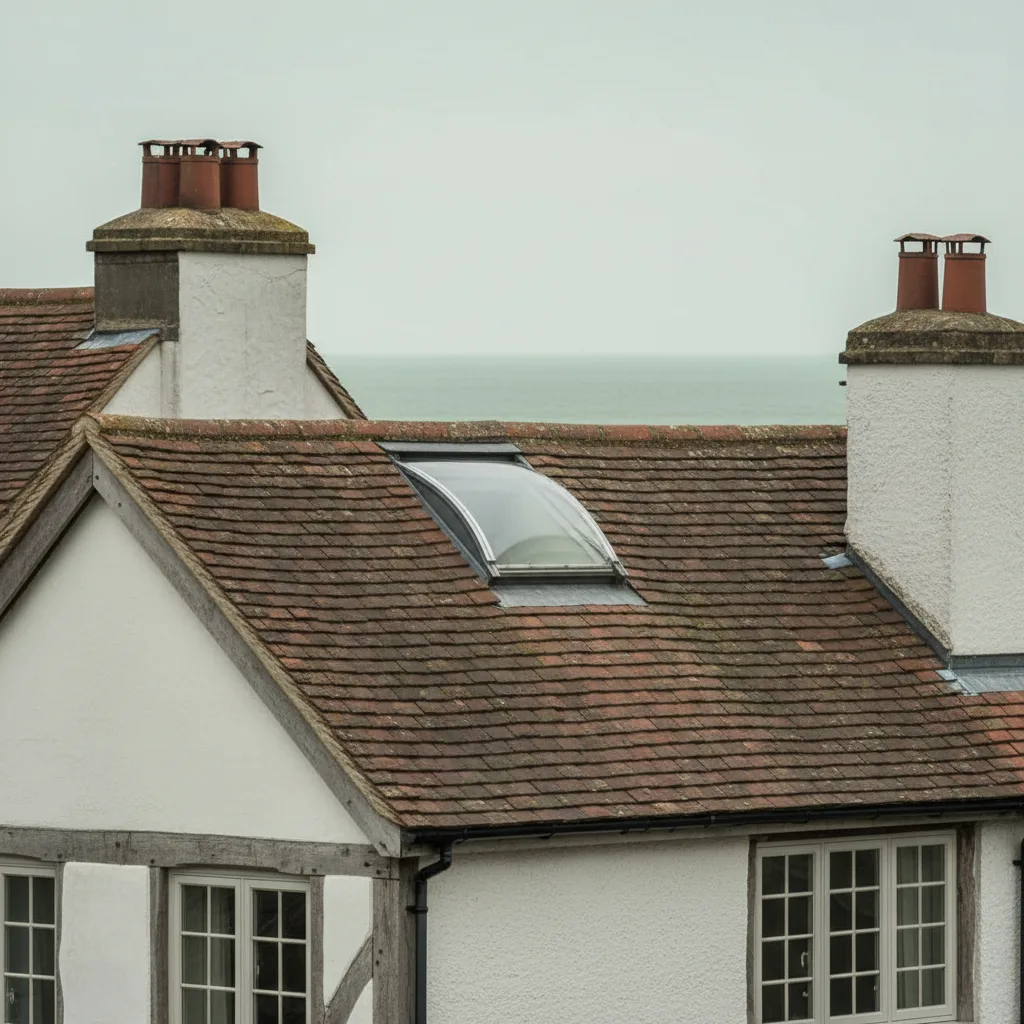
Where the room genuinely has roof directly above it, a small rooflight will nearly always give more light than a tunnel, and a view as well.
The tunnel wins when there is no roof directly above, when the ceiling is a floor, when the loft has to stay usable, or when the structural work for even a small rooflight is disproportionate to the room. On a landing directly under the ridge, a rooflight. On a hallway under a bedroom, a tunnel, because there is no other option.
We will tell you which case you are in, including when the honest answer is that a tunnel is not worth it.
North facing roofs
A sun tunnel works on a north facing roof. It collects diffuse skylight rather than direct sun, so it gives a steady, even light through the day instead of a bright patch that moves.
It delivers less total light than a south facing tunnel on a sunny day and roughly the same on an overcast one, which in this country is most days. On the Sussex coast, where a great deal of the year is bright overcast rather than clear sun, a north facing tunnel performs better than people expect.

Planning and Building Control
A sun tunnel dome projects only slightly above the roof plane, well within the 150mm that permitted development allows, so on an ordinary house planning permission is not normally required.
Inside the South Downs National Park and in conservation areas the usual questions apply, though a tunnel is far easier to get accepted than a rooflight precisely because it is small and low. On a listed building consent is still required.
Forming the opening is notifiable in principle, though for a small tunnel it is frequently handled as part of wider work rather than as a standalone application. We advise which applies rather than assuming.
What it will not do
A sun tunnel gives daylight, not a view and not ventilation. It will not make a dark room bright in the way a window does, and anyone promising that is overselling it.
What it does is turn a room that needs the light on at eleven in the morning into one that does not. In a windowless hallway or bathroom that is a genuine change to how the house is used, and it is why they are one of the most consistently well received things we fit.
Two tunnels, or one bigger one
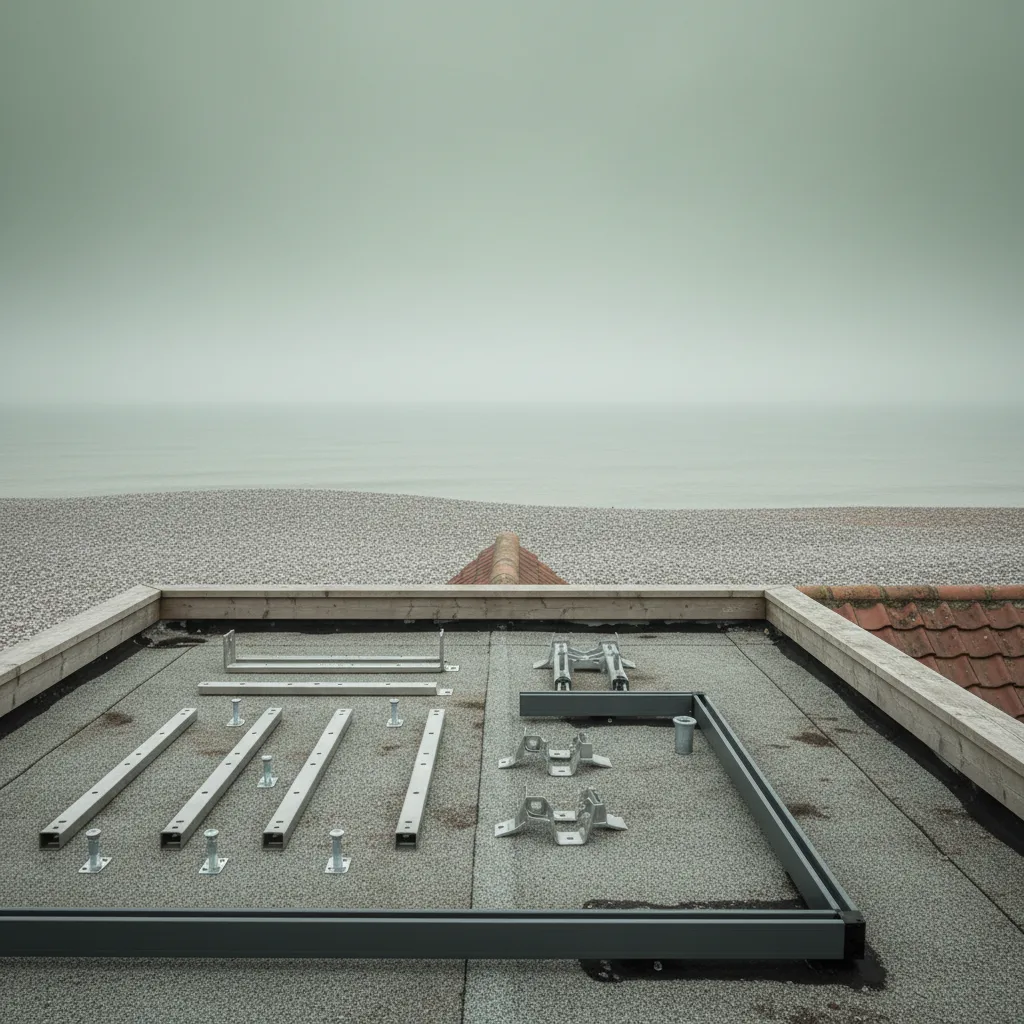
In a long hallway, two smaller tunnels spaced along the run light the whole space far better than one large one in the middle, which gives a bright patch and two dim ends.
In a square room, one central tunnel of the right diameter is usually right. The exception is where the loft above has an obstruction dead centre, which happens more often than it should, and two offset tunnels are then both easier to route and better to live with.
Two tunnels cost less than twice one, because the survey, the access and the making good are shared.
Ceiling diffusers
The diffuser is the part you actually see, and there is more difference between them than people expect.
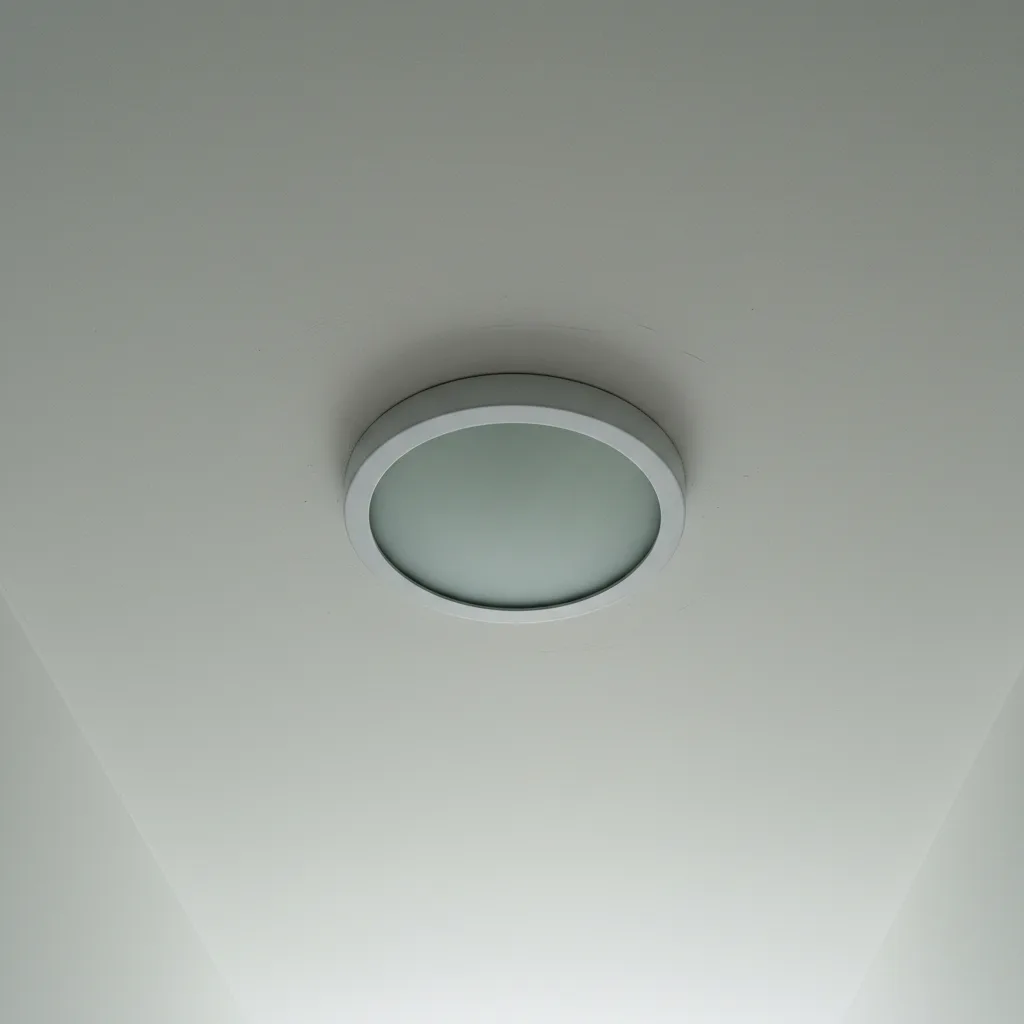
A flat opal diffuser sits flush with the ceiling and reads as a light fitting. A domed or prismatic one spreads light wider across the room, which suits a hallway where the tunnel is at one end. A square diffuser looks deliberate in a modern interior; a round one is less obtrusive in an older house.
All of them have to seal properly against the ceiling, because an unsealed diffuser lets warm moist air straight into the tube, and that is what causes condensation inside it.

Living with one
A sun tunnel needs almost nothing. The dome wants a rinse occasionally, and on the coast that means clean water two or three times a year to keep salt film off, because a dulled dome loses light before anybody notices it has.
There are no seals to perish, nothing to open, and no ironmongery to corrode. It is the lowest maintenance thing we install, which on an exposed coastal roof is a genuine argument in its favour over a small rooflight.
How we price it
An indicative range by email from a description of the room and a photograph of the ceiling and the roof above it, free and usually the same day.
Then a survey that includes going into the loft, because the route decides the tube, the tube decides the light, and the light is the whole product. Then a fixed written price, itemised, that does not move.
In this section
Adding a light kit to a tunnel for after dark
Read moreAre sun tunnels energy efficient?
Read moreCan a sun tunnel be fitted to a flat roof?
Read moreCan a sun tunnel be fitted to any ceiling?
Read moreCan a sun tunnel go in a bathroom?
Read moreCan a sun tunnel go round a corner?
Read moreCan a sun tunnel go through a loft?
Read moreCan you get a sun tunnel with a light?
Read moreCeiling diffusers, and the difference between them
Read moreCondensation inside a tunnel, and how it is prevented
Read moreDiameter chosen from room area and run length
Read moreDo sun tunnels cause condensation?
Read moreDo sun tunnels leak?
Read moreDo sun tunnels need building regulations?
Read moreDo sun tunnels need planning permission?
Read moreDo sun tunnels work on a north facing roof?
Read moreHow long can a sun tunnel run be?
Read moreHow long does a sun tunnel take to fit?
Read moreHow much does a sun tunnel cost?
Read moreHow much light does a sun tunnel give?
Read moreIs a sun tunnel better than a small rooflight?
Read moreReaching an internal hallway with no roof of its own
Read moreReflectivity, run length and how much light actually arrives
Read moreRigid against flexible tunnel runs
Read moreSun tunnels against a full rooflight
Read moreSun tunnels in a bathroom or shower room
Read moreSun tunnels in a bungalow at Rustington or Ferring
Read moreSun tunnels through a Horsham stone or slate roof
Read moreWhat is a sun tunnel?
Read moreWhat is the difference between rigid and flexible sun tunnels?
Read moreWhat size sun tunnel do I need?
Read moreWorking around a water tank, a purlin or a truss
Read moreThinking about this job? We survey across Worthing, West Sussex and the South Downs and give you a fixed price before any work starts, with a 10-year workmanship guarantee.