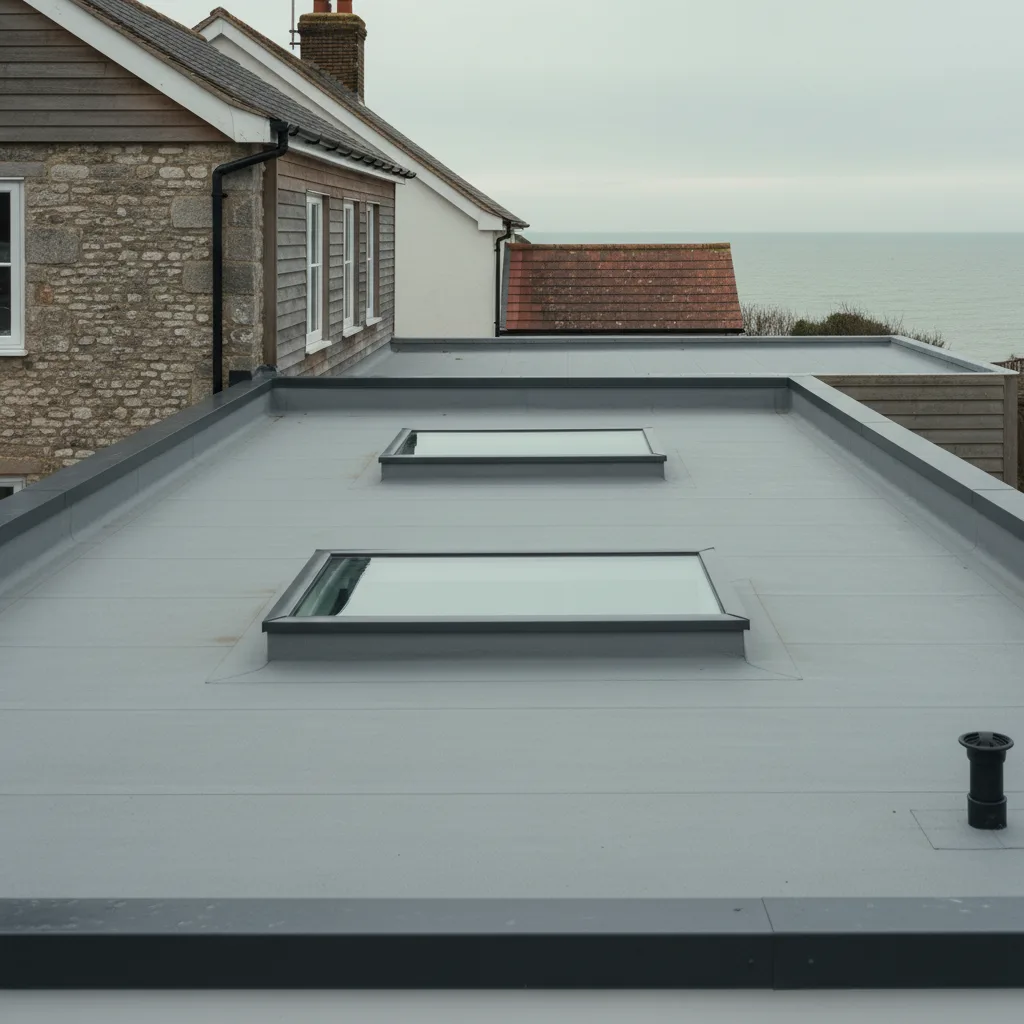
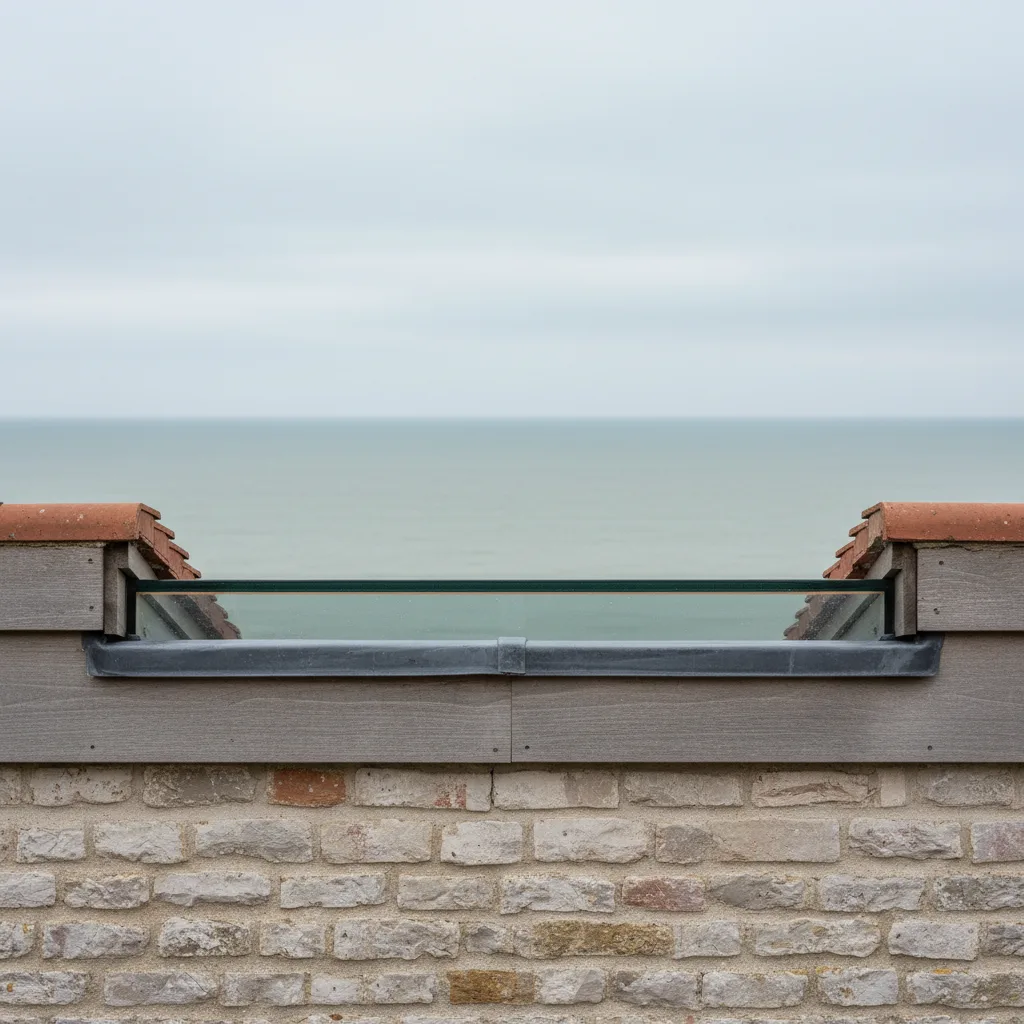
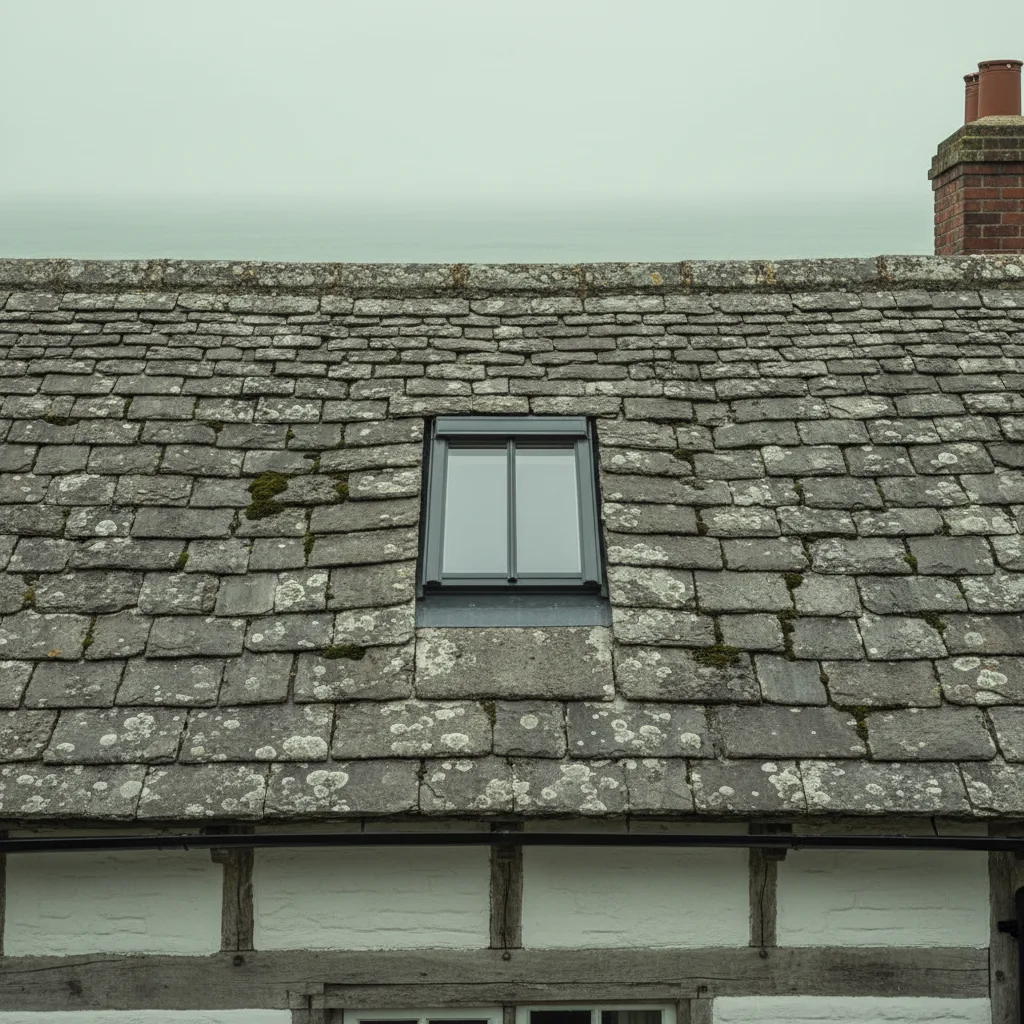
There are a hundred and twenty guides on this site, twelve under each of the ten kinds of work we do. They are the longer pieces: how a kerb is built, what a flashing kit actually does, why an underlay collar decides whether a pitched installation leaks, what a warm edge spacer changes. They exist because those are the things that decide whether a job lasts, and almost none of them are visible once the work is finished.
What a guide is for
Explaining a mechanism once, properly.
Each guide owns a subject, so the answer pages and the town pages can name it in a sentence and link rather than half explaining it in twenty places.
How that helps a reader
There is one place to go.
If you want to understand why a kerb height matters, there is a single page about kerb heights rather than a paragraph on every product page repeating a different half of it.
How they are organised
Twelve under each service.
Every guide sits under the kind of work it belongs to, so the roof window guides cover rafters, flashing kits and escape openings, and the lantern guides cover spans, coatings and wind loading.
The roof window guides
Structure and weathering on a pitched slope.
Trussed rafters and the widths that fit between them, purlins, escape windows and habitable loft rooms, flashing an irregular gauge, and the underlay detail.
The hub is on the roof window installation page.
The flat roof guides
Kerbs, falls and coverings.
How an upstand is built and insulated, what a builders kerb is, what fall a flat roof needs, and how each covering type is dressed up an upstand.
The hub is on the flat roof rooflight installation page.
The lantern guides
Spans, coatings and exposure.
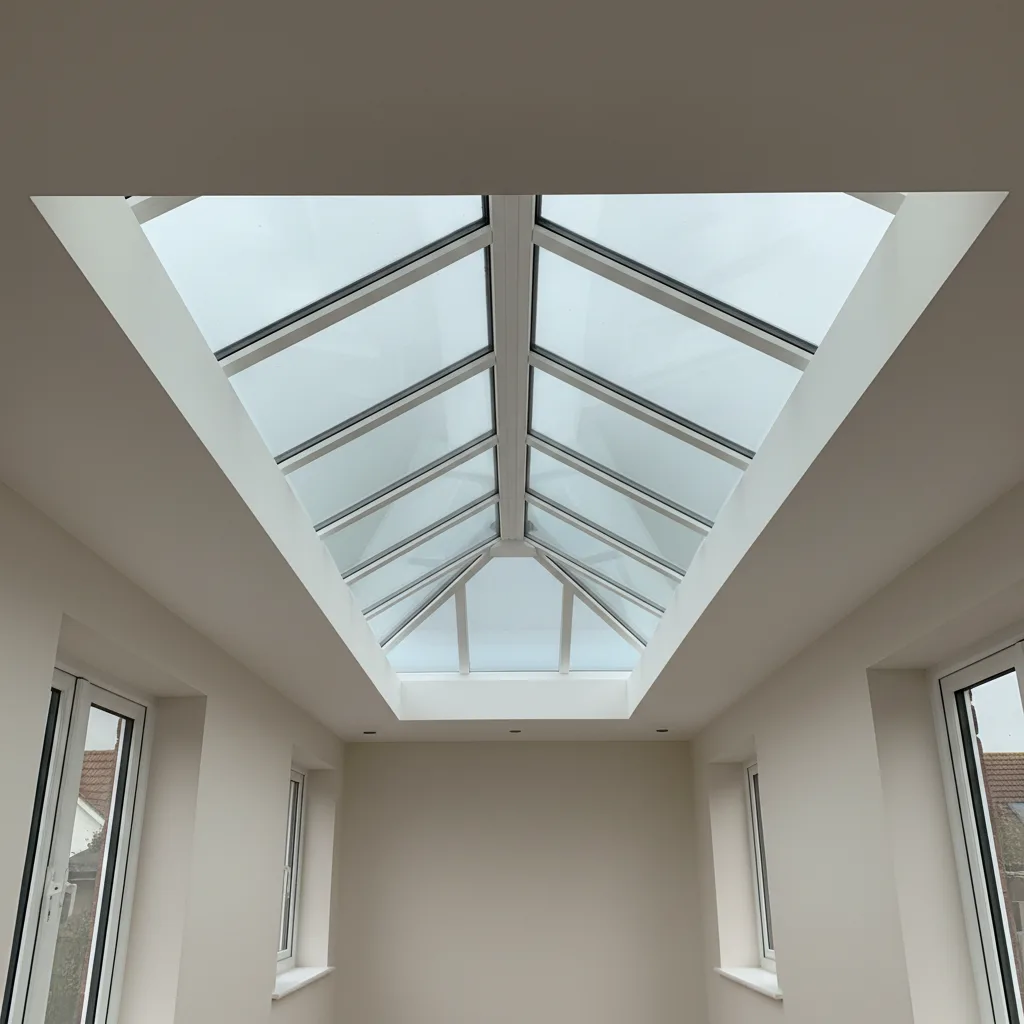
What decides the size, marine grade coatings against standard powder coat, wind loading on the Downs edge, and thermal bridging where a lantern meets a kerb.
The hub is on the roof lantern installation page.
The conservation guides
Designation, and what officers actually look at.
How flush a unit sits, the planning position across the authorities in our area, and what a listed roof will and will not accept.
The hub is on the conservation rooflight installation page.
The energy guides
Glass, coatings and heat.
What a U value describes, what a g value is, warm edge spacers, solar control, and where the losses on a rooflight actually are.
The electric guides
Actuators, controls and ventilation.
How an opening unit seals, what a chain actuator does, what a rain sensor is for, and how much air an opening at ceiling level actually moves.
The hub is on the electric rooflight installation page.
The walk on guides
Load, laminates and terraces.
How a walk on laminate is built up, what post breakage capacity means, and why the buried waterproofing detail under a terrace is the difficult part.
The hub is on the walk on rooflight installation page.
The sun tunnel guides
Reflectance, routes and lofts.
What the tube surface does to the light, how a run is set out, and why insulating and sealing at the ceiling is the whole of the difference.
The hub is on the sun tunnel installation page.
The replacement guides
Failure, diagnosis and what carries over.
How a sealed unit fails, how to tell a leak from condensation, what survives a swap and what does not.
The hub is on the replacing a failed or misted rooflight page.
The VELUX guides
A range, and how to work with one.
Size codes, generations, service parts and recessed installations, which is most of what a replacement enquiry actually needs.
The hub is on the VELUX window installation page.
Which to read first
The one about the thing you are worried about.
Most people arrive with a specific anxiety, and the guide that addresses it is more useful than starting at the beginning of a hub.
If you are choosing a product
Start at the service page.
The hub page for each kind of work sets out what it suits and what it does not, and the guides underneath it go into the detail.
If you have a problem
Start at the answers.
Two hundred direct questions with direct answers, which is usually the faster route when something is already wrong.
They are on the answers page.
If you want to know what it costs
Start with what a quotation is made of.
Understanding the four lines a figure is built from is more useful than any published range would be.
That is on the how we price and quote page.
In a hurry? If something is already wrong, the answers are the faster route: two hundred direct questions, each answered in its first paragraph. The guides are for understanding how a detail works rather than for deciding what to do this week.
Where a guide and an answer overlap
They are written to different lengths on purpose.
An answer gives you the position in a sentence and the reasoning in a page. A guide takes the mechanism apart and shows you what good and bad look like on a roof.
Which is more useful to a homeowner
The answer, nearly always.
Guides are written for somebody who wants to understand the trade rather than to make a decision, and most people arrive wanting to make a decision.
Which is more useful to a builder
The guide.
Kerb heights, lap directions, spans and flashing selection are the things somebody else on site needs to get right, and those are set out in full.
Why they are written this way
Because the detail is the job.
Nobody buys a lap direction or a spacer bar, and those are exactly what separate an installation that lasts thirty years from one that leaks in five.
What they are not
Instructions to do it yourself.
They explain what good looks like so a homeowner can ask better questions, rather than setting out a method for working at height on a roof.
 01
01