We do not publish figures, and the reason is not coyness. An honest range for any of this work is so wide that it would be wrong for most of the people reading it. What we can do is set out exactly what a quotation is made of, what moves it up and down, and what to ask any installer so that two quotations can actually be compared with each other.
Why a single figure would mislead
Because two identical units are different jobs.
The same rooflight on a bungalow reachable from a tower and on a two storey slate roof behind a conservatory differ by more than the unit costs, and a published number would be wrong for one of them.
The four lines
Unit, construction, access, making good.
Every quotation we write separates those four, because they behave independently and because a homeowner should be able to see which one is large and why.
The unit
The part people focus on and rarely the largest.
The product, its size, its glazing specification and its frame finish, ordered against a size or a measured opening.
The construction
Forming or preparing the opening.
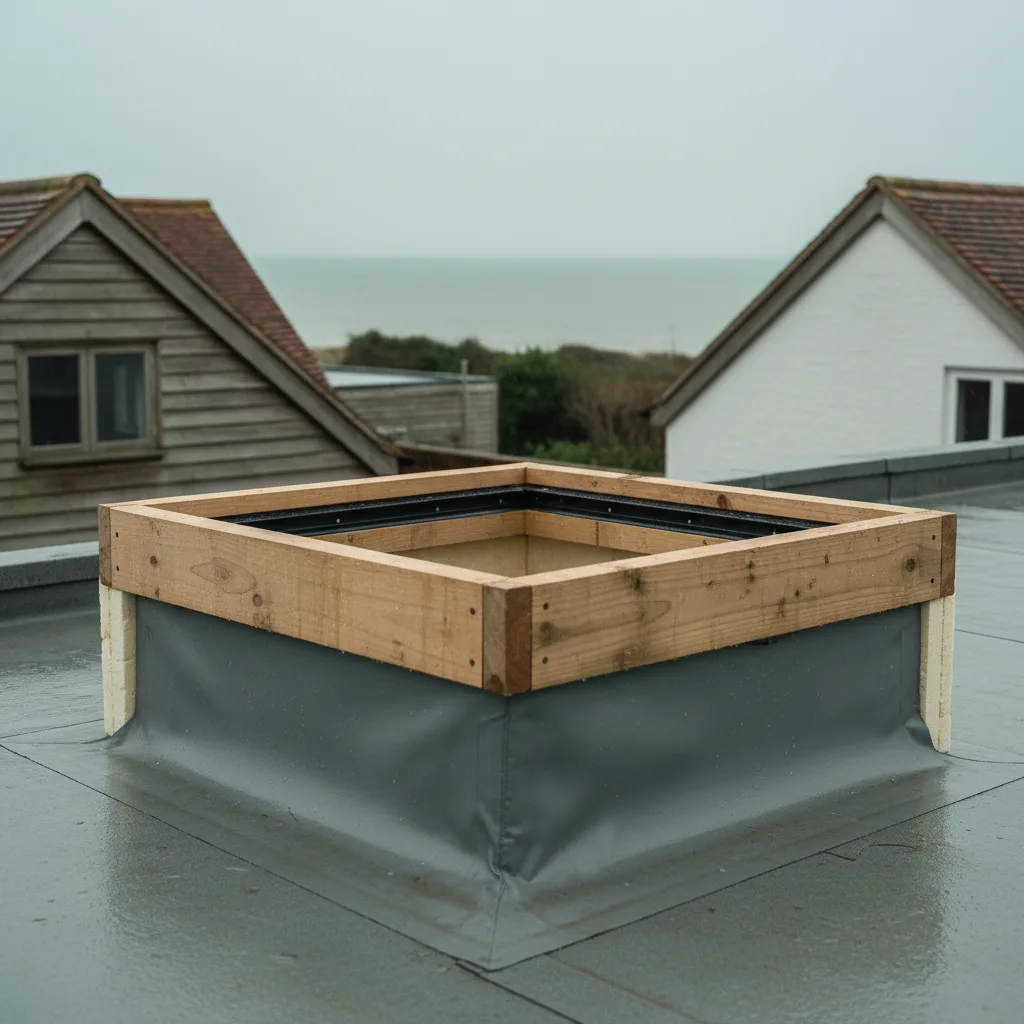
Trimming, a kerb, a flashing kit, or on a walk on installation a designed structure, and this is where a new opening differs most from a replacement.
The access
The largest variable between two otherwise identical jobs.
A tower, a scaffold or a lift, and on a small job the access can be a substantial share of the whole figure.
What decides it is on can you replace a rooflight without scaffolding.
The making good
The part most often left off somebody else’s quotation.
Insulating and boarding the reveal, and where the room is finished, the plastering and decorating that follows.
What moves it most
The covering, first.
Setting hand made clay or natural slate back around an opening so the courses run true is skilled work, and breakages have to be matched rather than bought.
What moves it second
Whether the opening already exists.
A like for like replacement into an existing opening skips the structural work and much of the covering work, and it is a materially shorter job.
What moves it third
What is found underneath.
Timber that has taken water from a long standing leak is cut out and replaced, and that is the one item nobody can price accurately from the ground.
What it involves is on what happens if the timber underneath has rotted.
How we handle that
By naming it before we start.
A quotation that says what happens if rot is found, and how it will be priced, is more useful than one that assumes a sound roof and produces a conversation on the day.
What is included as standard
Three things we would not leave out.
An insulated kerb or reveal, a proper underlay collar, and the drainage cleared and working, because those three decide how the installation performs.
What is quoted separately
Anything a homeowner might reasonably do themselves.
Decorating, blinds and any electrical work are listed as their own lines so they can be taken out rather than discovered inside a total.
Why several at once is cheaper
Because the fixed costs happen once.
Access, protection and setting out are paid for whether one rooflight goes in or three, so a second and third unit on the same visit cost considerably less than the first.
Doing it with other roof work
The largest saving available.
Where a roof is being recovered or a scaffold is up for anything else, a rooflight becomes an addition to a programme rather than a job with its own access.
What to ask any installer
Five questions, and they separate quotations.
What exactly is the unit, what flashing or kerb detail is included, what access is allowed for, what happens if the timber is wet, and what making good is in the figure.
The question that catches most out
Whether the flashing kit is included.
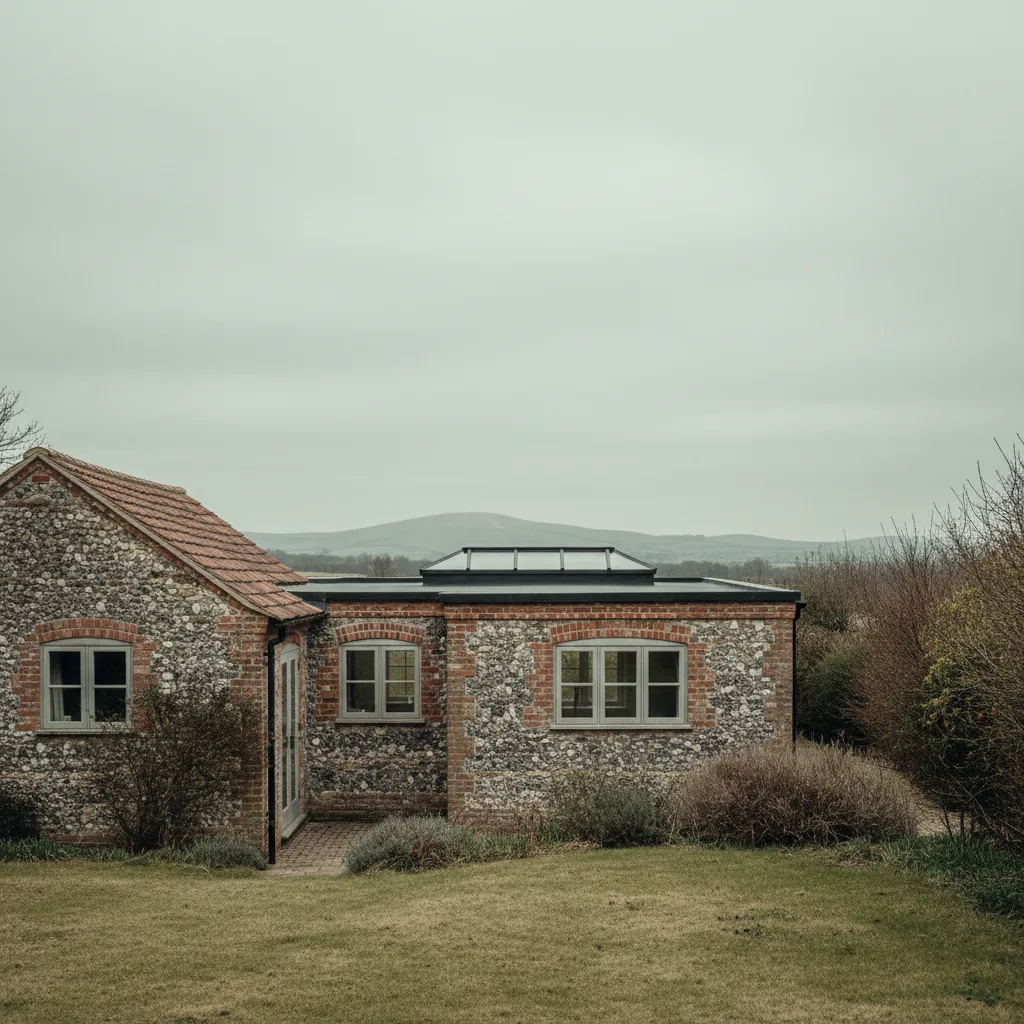
A roof window is supplied without one, and two quotations that look different in price frequently differ only in whether that line is present.
Why is on do VELUX windows come with flashing.
Where we would spend more
The glass and the reveal.
Solar control glass on a south facing slope and a properly insulated reveal both do more for how a room feels than a step up the frame range does.
Where we would spend less
The frame range, on a garage or an outbuilding.
A room nobody will be looking for a spare part for in fifteen years does not need the specification a main bedroom does, and we say so.
Payment
A deposit against the order, the balance on completion.
Units are made to a measured size, so there is a commitment at ordering, and nothing is asked for before a survey has produced a figure that holds.
How long a quotation stands
A stated period, because materials move.
Glass, aluminium and timber prices change, and a quotation with an expiry on it is more honest than one that is quietly renegotiated later.
Whether a survey costs anything
No, and it is worth saying plainly.
A survey is how we work out whether there is a job at all, and a good proportion of them end with a suggestion that costs nothing rather than with a quotation.
What we take away from it
Measurements, photographs and the covering.
Enough to specify a unit, order the right flashing and price the access without a second visit, which is what makes a figure hold.
Getting one
A survey, and about half an hour.
What we look at and what we take away is on the get a quote page.
Thinking about this job? We survey across Worthing, West Sussex and the South Downs and give you a fixed price before any work starts, with a 10-year workmanship guarantee.