Yes. Light kits are made that fit inside the tube head, so the same ceiling diffuser gives daylight during the day and ordinary electric light after dark. In an internal bathroom or a windowless hallway that is the sensible specification, because it means one aperture in the ceiling rather than a diffuser and a separate light fitting beside it.
How it works
A fitting inside the tube.
A light unit is mounted within the tube, generally near the top, and it shines down the reflective tube exactly as daylight does, arriving at the diffuser the same way.
Why that looks better
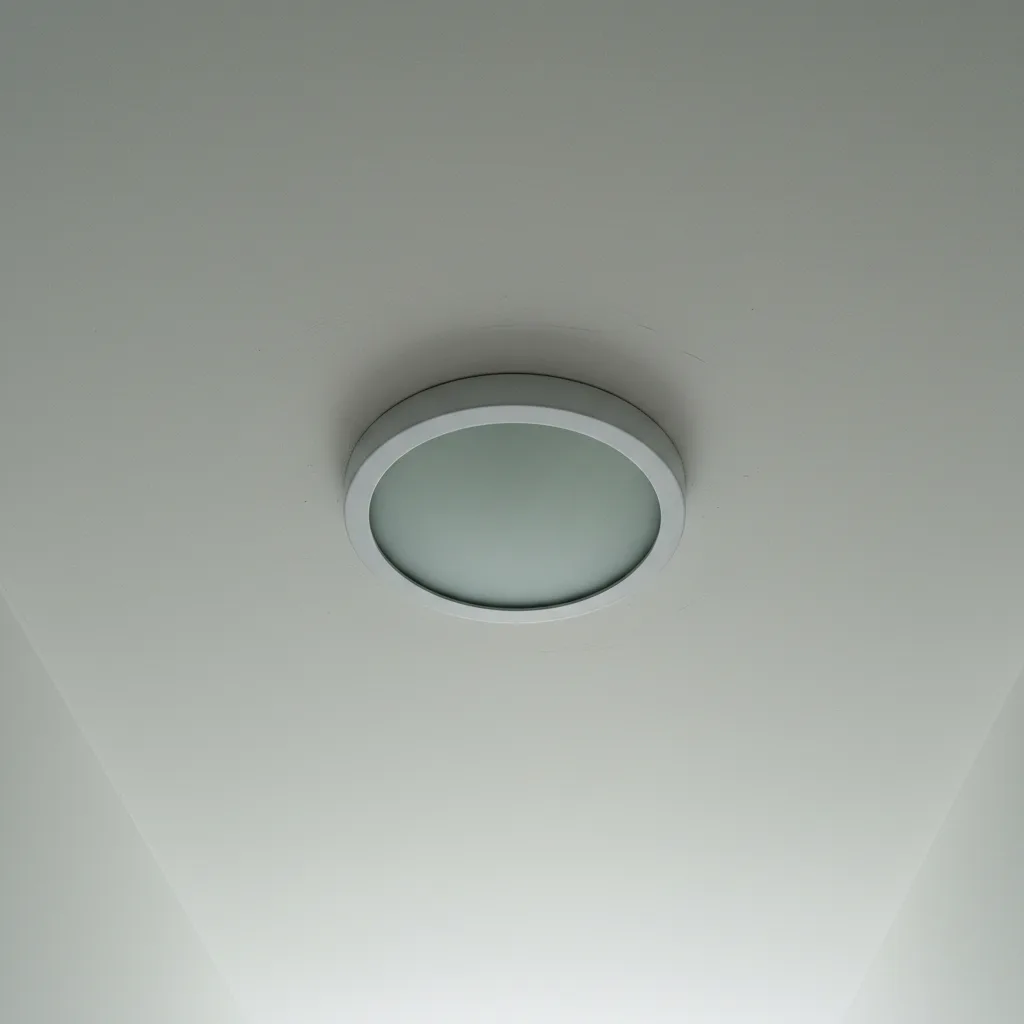
One circle in the ceiling instead of two.
A tunnel and a separate fitting side by side in a small ceiling looks like an afterthought, and a single aperture doing both jobs looks intended.
What the light looks like
The same soft spread. Because it comes through the same diffuser, the electric light has the same even quality as the daylight, which is a more pleasant fitting than a bare downlight.
What it needs
A switched supply at the tube.
A cable to the fitting, switched from the room, which is fixed electrical work and is certificated by whoever installs it.
The general position is on do electric rooflights need an electrician.
Where an existing light helps
The economy that makes it easy.
Where the tunnel replaces an existing ceiling light in the same position, the supply and the switch are already there and the work is minimal.
Planning that at survey
Worth doing deliberately.
Choosing the diffuser position to coincide with the existing light point saves the electrical work and reuses the switch the household is used to.
Where the position has to move
A cable run in the loft.
Where the tunnel lands elsewhere, the existing cable is extended across the loft to the new position, which is straightforward work for an electrician.
Doing the wiring while the loft is open
The cheapest moment.
The electrical work is easiest on the same visit as the tunnel, when the route is exposed and somebody is already in the loft.
What is available
Manufacturer kits, mostly.
Light kits are made for particular tunnel ranges and diameters, so it is ordered against the product rather than fitted as a generic component.
Dimming
Available on some kits.
A dimmable fitting suits a hallway or a bathroom used at night, and whether a particular kit supports it is worth checking before ordering.
Colour temperature
Worth choosing rather than accepting.
A warmer light suits a hallway in the evening and a cooler one suits a bathroom in the morning, and it is specified at order.
In a bathroom
The fitting has to suit the zone.
Bathrooms are divided into zones and any fitting has to be rated for the one it is in, which is the electrician’s decision rather than a preference.
The room specific points are on can a sun tunnel go in a bathroom.
Where it makes most sense
Any room with no other light source.
An internal bathroom, a cloakroom, a windowless landing or a walk in wardrobe needs a light at night regardless, so combining the two is obvious.
Where it is less useful
A room with good lighting already.
A hallway with wall lights or a kitchen with a full lighting scheme does not need the tunnel to do a second job.
Whether it affects the daylight
Very slightly. The fitting sits within the tube and occupies a small part of it, so there is a small reduction in daytime output, and it is not noticeable in practice.

Whether it can be added later
Generally yes, on a compatible tunnel.
A kit made for the range can be retro fitted from the loft, and the work is the electrical supply rather than anything to do with the roof.
A solar powered version
Made by some manufacturers. A small solar module on the roof unit charging a battery for a low output light removes the wiring entirely, which suits an awkward position.
The parallel is on can you get a solar powered VELUX.
What it costs
A modest kit and a variable amount of electrical work.
The fitting is small against the job, and the supply is the item that varies between an existing light point and a new run.
Where it sits is on how much does a sun tunnel cost.
Changing the lamp
Worth asking about before buying.
How a fitting is accessed for a lamp change differs between products, and one reached only from the loft is a different proposition from one reached at the diffuser.
Whether it works on a switch or a sensor
Either, and a sensor suits some rooms.
A movement sensor on a cloakroom or a landing light means the fitting comes on only when needed, which pairs well with a tunnel that has already handled the daytime.
Where the switch should be
Where the old one was, if possible.
A household that has used the same switch for years does not want it moved, and reusing the position is usually straightforward.
What it does to the ceiling
Nothing extra.
The fitting sits within the tube above the diffuser, so the ceiling shows the same circle whether the light kit is there or not.
What we look at on a sun tunnel
We look for the existing light point before choosing the diffuser position, because lining the two up turns the electrical half of the job into a connection rather than a cable run.
The whole picture is on the sun tunnel installation page.
Thinking about this job? We survey across Worthing, West Sussex and the South Downs and give you a fixed price before any work starts, with a 10-year workmanship guarantee.