Rooflight and Skylight Installation in Wick
- Fixed quote before we start
- Roof never left open overnight
- 10-year workmanship guarantee

- Fixed quote before we start
- 10 years workmanship guarantee
- 25 years fitting rooflights
- Skylights only, not a general roofer
A good deal of our replacement work happens between October and March, because that is when an old unit finally gives up and because people would rather not wait. Winter work is entirely normal and it is planned differently, and this page is how. It applies anywhere; Wick is simply where we do a lot of it.
What we install in Wick
Flat roof rooflights and replacements, on post-war estate housing with rear extensions.
The work itself is ordinary. What is worth writing about is the half of the year when the weather is a participant rather than a background condition.
The rule that governs a winter job
Simple, absolute, and it drives everything else.
An opening is never left unweathered overnight. Not once, not for a favourable forecast, not to save an hour. If an opening cannot be made watertight before the day ends, it is not opened that day.
Everything below follows from that one commitment, and it is the difference between a winter installation and a gamble.
| Item | Summer | Winter |
|---|---|---|
| Working hours of daylight | Ample | The binding constraint |
| Opening the roof | When convenient | Only if it can be closed |
| Temporary weathering | Rarely needed | Planned before starting |
| Sealants and adhesives | Cure normally | Temperature dependent |
| Surfaces | Dry by nine | Frequently wet until eleven |
| Days lost | Few | Expected and planned for |
Daylight, not weather, is the first constraint
The thing people do not anticipate.
In December there are around eight hours of usable light, and roof work needs to see what it is doing. A job that takes a comfortable day in June does not fit into a December day with the same margin.
Which means winter jobs start earlier, are scoped smaller, and are planned to reach a weathertight point well before the light goes rather than at the end of it.
How an opening is weathered mid-job
The practical arrangement, and it is prepared before anything is cut.
A temporary covering, mechanically fixed rather than weighted, lapped so water runs off it and not under it, and taken far enough up the slope that driven rain cannot get above it. On a flat deck it is dressed and held at all four edges.
It takes twenty minutes to do properly and it is the twenty minutes that decides whether a household has water in the room. Sheeting held down with a few bricks is not a temporary weathering arrangement.
Inside as well as outside
The second layer, and it is about the room rather than the roof.
Where a ceiling has been opened, the room below is protected regardless of what is over the opening: floor covered, furniture out or sheeted, and a catch arrangement under the opening.
It is belt and braces and it costs a few minutes. On a winter job we would rather never need it than need it and not have it.
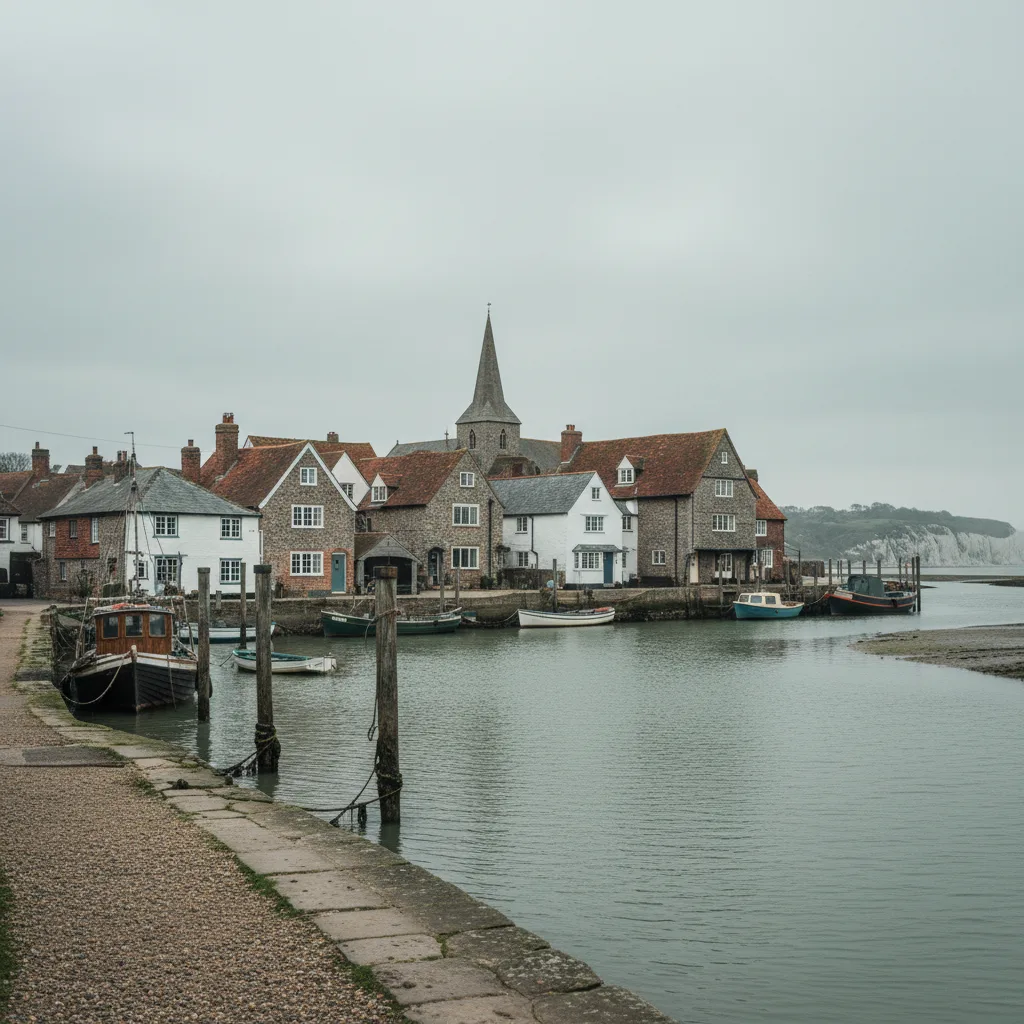
Scoping a winter day
How the work is divided so it always reaches a safe point.
The old unit comes off, the substrate is inspected, any repair is made, the new unit goes on and is flashed. On a good day that is continuous. On a poor one the job pauses at the last weathertight moment rather than the most convenient one.
Which is why a winter job is quoted with the possibility of two visits in it, and why we would rather say that at the quote than discover it on the day.
When we will not start
Worth being plain, because it occasionally disappoints somebody who has taken a day off.
Heavy or persistent rain forecast for the working window. Wind above the threshold for safe work at height. Ice on a roof or a scaffold. Any of those and we do not open a roof, and we ring in the morning rather than turning up and standing about.
It is frustrating and it is considerably less frustrating than the alternative.
Temperature and materials
A technical point that gets overlooked and matters in a cold snap.
Sealants, adhesives and some covering systems have minimum application temperatures, below which they do not cure properly and may never reach their intended performance.
Which means some work genuinely cannot be done at four degrees, whatever the sky is doing. Where that applies we say so rather than applying it anyway and hoping nobody notices for a year.
Wet surfaces in the morning
The routine winter constraint, and it shifts the day rather than stopping it.
A roof that is wet with dew or frost until mid morning is a roof nobody should be walking on. Starts are later in winter, which shortens an already short day.
It is built into how long the job is expected to take rather than treated as a surprise on the second morning.
Why winter is still worth doing
Because waiting has its own cost, and it is worth setting out.
A unit that is leaking now will leak all winter. A dome that has gone brittle is at its most vulnerable in the season with the most weather. And a room that is dark is darkest in the months when it is used most.
So the honest position is that winter work takes longer in calendar terms and is entirely worth doing, provided it is planned as winter work rather than as summer work in worse conditions.
An emergency, as distinct from a job
A different thing, and worth separating.
Where a unit has failed and water is coming in, the first job is to stop it: a temporary weathering arrangement, properly fixed, that will hold until a proper repair or replacement can be scheduled.
That is a short visit rather than an installation, and it is far better than an installation rushed in bad conditions. We would rather do that and come back than do the whole job badly in one wet afternoon.
What we leave if we have to stop
- The opening covered, mechanically fixed and lapped to shed water.
- The room below protected and, where relevant, a catch under the opening.
- Any loose covering material secured rather than stacked on a roof.
- The scaffold checked and, where sheeted, the sheeting eased in wind.
- The household told what state things are in and when we return.
None of that is unusual practice and all of it is worth stating, because a job that pauses safely is a job nobody remembers badly.
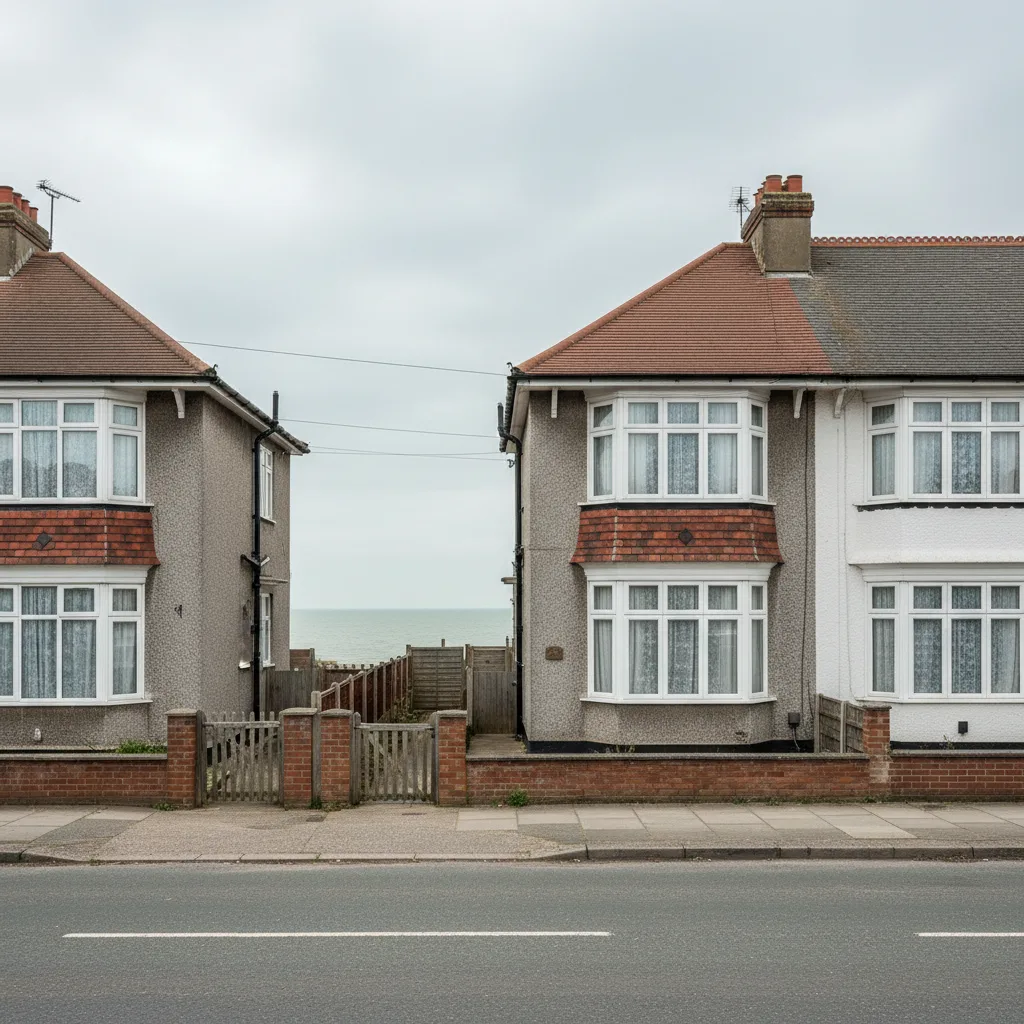
Booking a winter date
How we handle it, because a firm date in February is a promise nobody can keep honestly.
We give a date and we say plainly that it is weather dependent, and we ring by eight on the morning rather than leaving somebody waiting. Where a day is lost we rebook to the next workable one rather than to the back of a queue.
It is worth a household knowing at the quote that a winter job may move once. Most do not; the ones that do are considerably easier to accept when it was said in advance.
The village stock
Post-war estate housing, trussed roofs, concrete interlocking tile and rear extensions with flat decks.
Ordinary work: widths between members, the right flashing kit for the profile, and a kerb measured rather than assumed.
The three guides are trussed rafters, flashing kits and roof coverings and what is a builders kerb.
What we find under an old dome
The reason a winter replacement is scoped with a margin in it.
A unit that has been leaking has generally been leaking for a while, and the timber around the opening is frequently soft, the felt torn and the batten ends gone. None of that is visible until the unit is off.
Which is exactly the situation where a job takes longer than the morning it was allowed, and it is why the weathering arrangement is prepared before anything is cut rather than after a problem appears.
Storing the old unit until you are sure
A small habit on a replacement that costs nothing and occasionally matters.
Where an old unit is removed and the new one goes in the same day, the old one goes in the van and is disposed of. Where a job pauses, or where a household wants to keep a part, we leave it somewhere dry rather than in a garden.
It sounds trivial and it is the kind of thing that turns out to matter when an insurer wants to see what failed.
Salt laden air off the river
The environmental position, and it reaches further than the map suggests.
Wick sits back from the river mouth and the air still carries salt inland along the valley. It arrives attenuated rather than absent.
Marine grade is worth having on an exposed plot with a clear aspect south, and standard coatings hold up on a sheltered one. It is judged at the plot, and we will specify standard where standard is right.
Condensation, and the season it appears in
Worth flagging on a winter installation because the timing invites a misunderstanding.
A new unit fitted in November will show condensation on the room side on cold mornings, because it is the coldest surface in a humid room in the coldest month. That is the room rather than the unit.
Misting between the panes is a failed seal and is a different thing entirely. Which side of the glass the water is on tells you which you have, and it is worth saying at handover rather than fielding the call in January.
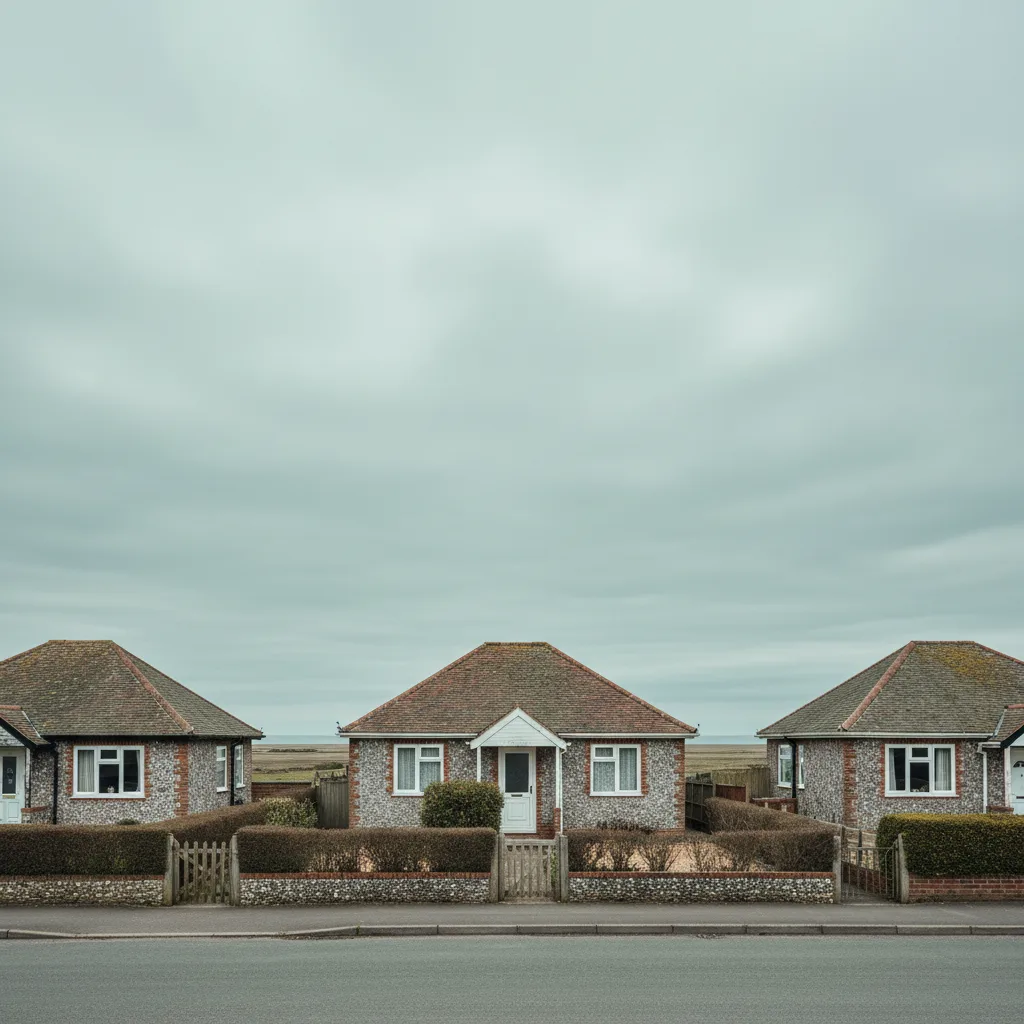
Getting to the roof in Wick
Straightforward across the village.
Drives, side gates, wide roads and space beside the house, and on a single storey rear extension a tower reaches without a scaffold or a licence.
The winter variable is ground rather than space: a lawn that takes a tower in July does not necessarily take one in January, and boards are used rather than apologies offered afterwards.
What the survey establishes
- Whether the job can reach a weathertight point within a winter day.
- What temporary weathering arrangement the roof form needs.
- The likely condition of the substrate under the existing unit.
- Whether any material has a minimum application temperature.
- Whether the ground will take a tower at that time of year.
- What stands between the plot and the water from the south.
Building Control
A new opening is notifiable, so we notify Arun District Council or an approved inspector and the completion certificate comes back to you. Keep it. It is what a solicitor asks for when the house is sold.
Where the line falls between a new opening and a replacement is on do flat rooflights need Building Control.
Permitted development
There is no designation here, so most rooflight work is permitted development, subject to the projection limit above the plane of the roof and nothing forward of the principal elevation.
A replacement into an existing opening is generally not a planning matter at all, provided the new unit does not project materially further above the plane than the old one. On a modern insulated unit that is worth measuring rather than assuming.
How we quote
A free indicative range by email from photographs, then a survey, then a fixed itemised written price that does not move afterwards. Anything we misjudge at survey is ours to absorb.
What is measured at each step is on the how we price and quote page.
Guarantee
Ten years on our workmanship, on every job, limits written down. The manufacturer stands behind the unit; we stand behind the kerb, the flashing and the making good.
The terms, and the accreditations we do not claim, are on the our guarantee page.
Skylight services in this area
Conservation Rooflight Installation
Read moreElectric and Opening Rooflight Installation
Read moreEnergy Efficient Rooflights
Read moreFlat Roof Rooflight Installation
Read moreReplacing a Failed or Misted Rooflight
Read moreRoof Lantern Installation
Read moreRoof Window Installation
Read moreSun Tunnel Installation
Read moreVELUX Window Installation
Read moreWalk-On Rooflight Installation
Read moreThinking about this job? We survey across Worthing, West Sussex and the South Downs and give you a fixed price before any work starts, with a 10-year workmanship guarantee.