Frequently, and it depends on the slope rather than the brand. A conservation area does not prohibit any particular manufacturer. On a rear slope out of public view a standard roof window is generally acceptable and often permitted development. On a slope fronting a highway it usually is not, and that is about the profile rather than the badge.
What the designation actually restricts
Rights on one part of the roof, and appearance on the rest.
On designated land a rooflight on a slope fronting a highway is not permitted development. Elsewhere the ordinary rights apply subject to the usual limits.
The mechanism is on what is article 2(3) land.
Why the front slope is the problem
Because a standard roof window sits proud of the covering.
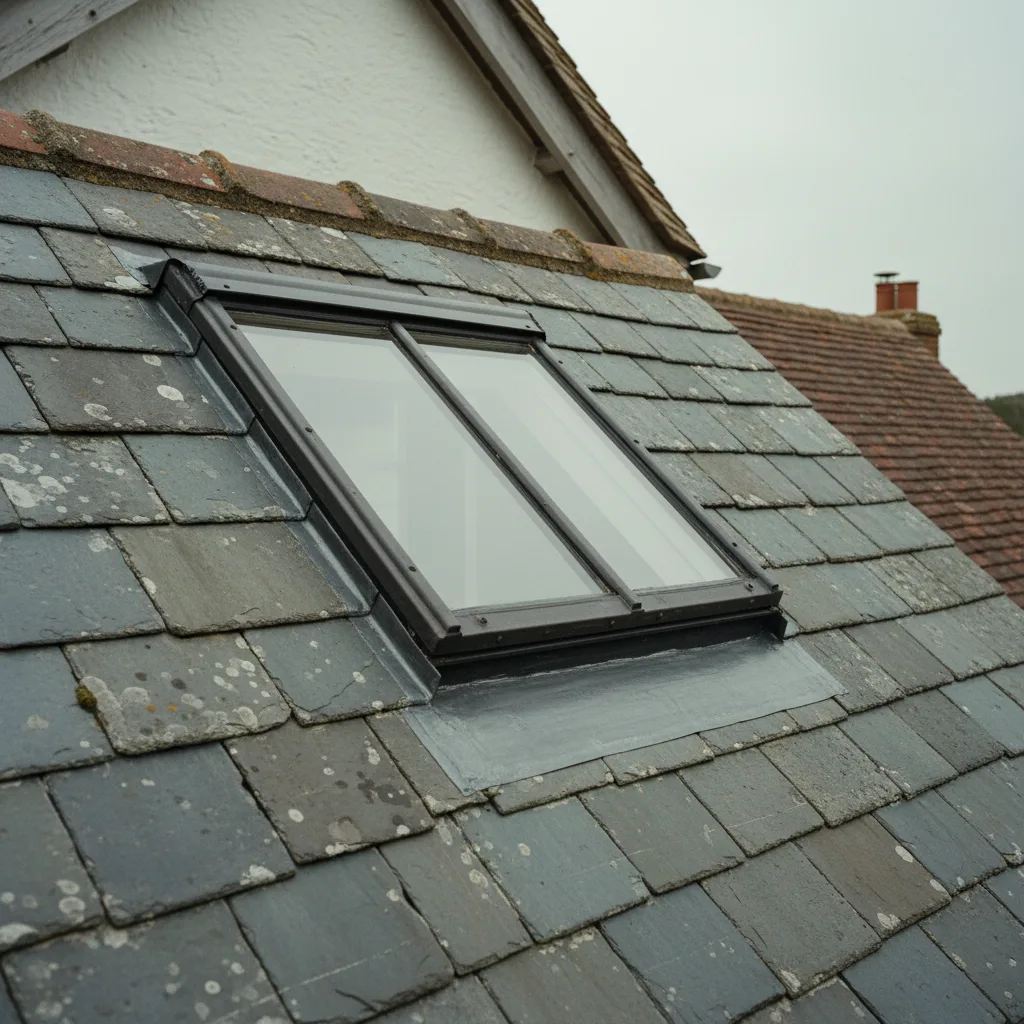
A flanged frame standing above a tiled surface catches light along its upper edge and casts a shadow line, and that is what reads as an addition from a street.
An officer objecting to a standard unit on a visible slope is objecting to that, not to the manufacturer.
The conservation product from the same maker
Worth knowing, because it resolves most of these enquiries.
The major roof window manufacturers make a conservation style variant with a slimmer external profile, a dark finish and a bar, designed to sit lower in the covering.
Which means a household who wants a familiar brand with a familiar guarantee is not choosing between that and a compliant appearance.
How it compares to a specialist unit
Honestly, and the difference is visible at close range.
A specialist steel conservation rooflight has slimmer sections and sits lower than a mass market conservation variant. From a pavement they are hard to distinguish; from ten feet they are not.
On a highly sensitive building an officer may want the specialist product. On an ordinary conservation area street the variant is frequently accepted.
The recessed installation
The other route with a standard manufacturer’s product.
Most ranges offer a recessed flashing kit that sets the window deeper into the roof build up, which flattens the profile considerably without changing the window itself.
It is worth specifying on any designated slope and it costs little more than the standard kit.

What an application should show
Two things, and neither is a brochure page.
A section through the installation showing how far the unit projects above the covering, and a photograph of the slope from the public viewpoints that matter.
Together they answer the question an officer is actually asking, which is what it will look like from the street.
On a listed building
A different regime, and the answer changes.
Consent is needed regardless of visibility, and on a listed building a specialist conservation unit is generally what an application needs rather than a mass market variant.
The position is on do I need listed building consent for a rooflight.
Replacing an existing one
The easiest case in the tier. Replacing a like for like unit in an existing opening, not projecting materially further than what came out, is generally not a planning matter at all.
The detail is on can I replace an old rooflight in a conservation area.
The colour of the external frame
A small specification point with a real effect on how a unit reads.
The standard external finish on many roof windows is a mid grey that reads light against a dark covering. A dark finish disappears considerably better.
Where a range offers it, specifying dark on any designated slope is worth doing whether or not anybody asks.
Flashing kit, and matching the covering
The technical requirement that applies everywhere and matters more on an old roof.
The kit must suit the covering profile, and on a hand made tile with a varying gauge the soakers are dressed to the actual courses rather than a nominal one.
Which kit suits what is on flashing kits and roof coverings across Sussex.
Sizes, and why they help here
One advantage a standard roof window has over a specialist unit.
The size range is far wider, so a room needing a larger glass area can have it in one unit rather than several, which on a concealed slope is a genuine practical benefit.
Guarantees and parts
The other advantage, and it is worth weighing.
A mass market manufacturer keeps service parts available for a long time after a model is superseded, which makes a sound frame with a failed component a repair rather than a replacement.
What an officer will not accept
Worth naming so nobody spends a fee finding out.
A standard flanged unit in a pale finish, on a slope fronting a highway, in a designated area. That is the proposal that gets refused, and the manufacturer is not the reason.
Blinds and accessories
A practical advantage of the mass market product that is worth weighing.
Manufacturer blinds, screens and controls fit into channels designed into the frame, which makes them neat and specific to the unit rather than generic and approximate.
Specialist conservation units have fewer accessories available, and where a blackout blind is wanted in a bedroom that is a real difference.
Installer familiarity
Worth saying plainly, because it cuts the other way.
Almost any roofer has fitted a mass market roof window. Considerably fewer have set a specialist conservation unit into a hand made tile covering with dressed soakers.
Which means the brand is sometimes chosen for what the available installer can do well, and that is a legitimate reason as long as it is the actual reason.
What we always specify on a designated roof
We specify by slope rather than by brand: a specialist unit where a slope is sensitive, a conservation variant with a recessed kit where it is visible but ordinary, and whatever suits the room where nobody can see it.
The wider position is on do I need permission for a rooflight in a conservation area.
Thinking about this job? We survey across Worthing, West Sussex and the South Downs and give you a fixed price before any work starts, with a 10-year workmanship guarantee.