Are conservation rooflights and skylights double glazed?
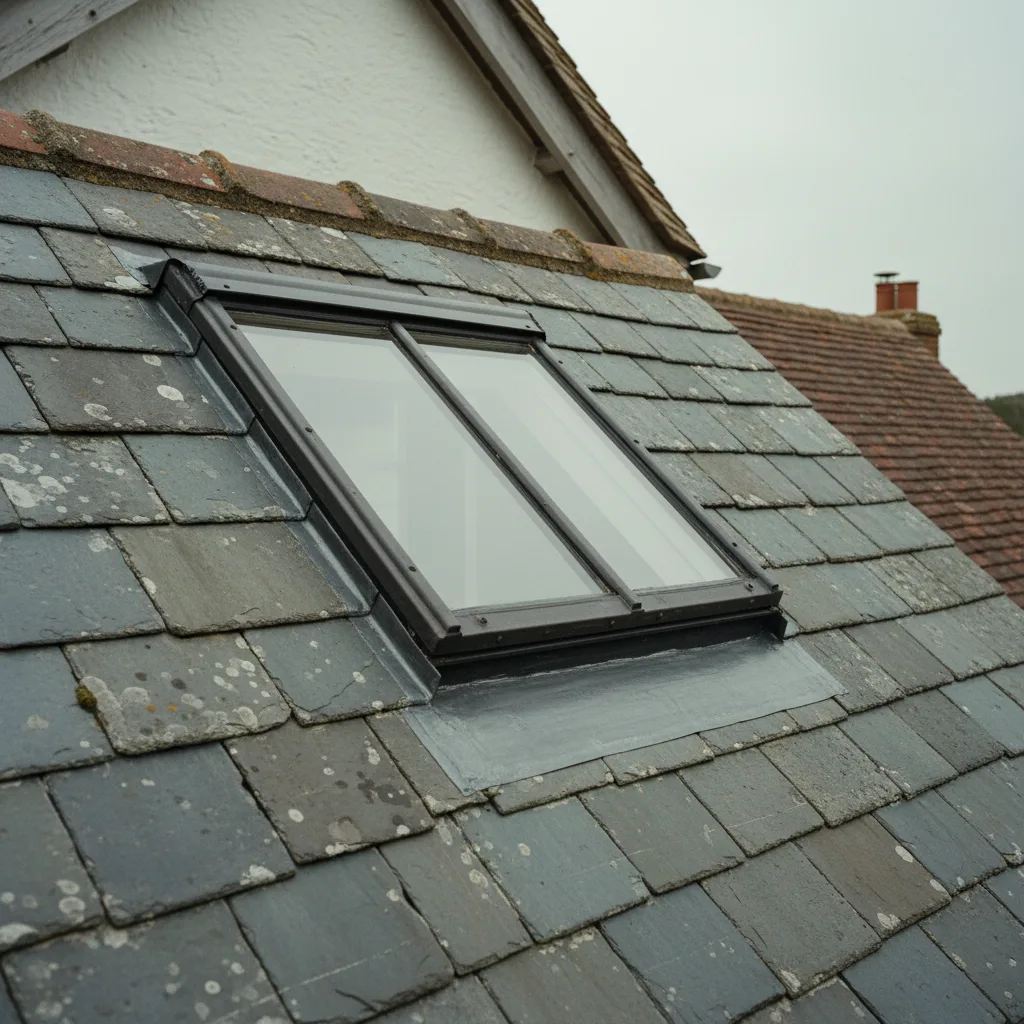
Yes. A current conservation rooflight carries a modern sealed double glazed unit with a low emissivity coating, and it meets the same limiting thermal standard that any replacement rooflight has to meet. The historic appearance is in the frame and the profile, not in the glass.
Why people ask
Because the product is sold on looking like a nineteenth century original, and the originals were single glazed sheets in cast iron.
The reasonable assumption is that a faithful reproduction performs like the thing it reproduces. It does not, and that is the entire point of the product.
What is actually in the unit
The ordinary specification of a good modern sealed unit.
Two panes with a cavity, a low emissivity coating on one internal surface, an inert gas fill and a warm edge spacer around the perimeter. The same components a good window has.
What each of those does is on what U-value should a rooflight have.
Whether it meets the regulations
It does, and it has to.
A replacement rooflight is required to meet a limiting thermal standard, and current conservation units are made to satisfy it comfortably rather than marginally.
Which means the choice of a conservation profile does not create a compliance problem, and nobody should be told otherwise.
Single glazed versions
They exist, and they are for a specific situation rather than a cheaper option.
On some listed buildings a conservation officer may prefer the reduced sight lines a single glazed unit allows, or the reflection characteristics of a single sheet.
It is uncommon, it is a decision taken with the officer, and it is not something to choose on price.
Triple glazing
Rarely, and it is generally the wrong answer here.
A triple glazed unit is thicker and heavier, which works against the slim sections that make a conservation profile possible. It also costs more for a benefit that a slim frame partly gives back.
Whether it is worth it generally is on is triple glazing worth it in a rooflight.
Solar control
Available and worth specifying by aspect rather than by product type.
A south or west facing conservation unit over a habitable room takes solar control glass on the same reasoning as any other rooflight. A north facing one gains nothing from it.
The appearance requirement and the glass specification are entirely independent, so there is no conflict between the two.
Obscured and patterned glass
Also available, and occasionally the right answer.
Where a slope is overlooked from higher ground and the room below is a bathroom, an obscured inner pane solves a privacy problem that no amount of positioning does.
Laminated glass
Worth specifying and frequently already standard.
Overhead glazing carries its own considerations, and a laminated inner pane means a failure does not drop glass into the room below.
On any unit above a room somebody uses it is the sensible specification, quite apart from what the frame looks like.
How the frame affects the total
A point that works in favour of the slim section.
A rooflight’s overall performance is the glass and the frame together, weighted by area. A slim frame means proportionally more glass and less frame, and frame is generally the weaker part.
So a slim conservation unit is not necessarily worse thermally than a bulkier standard one of the same overall size.
Weight, and what the roof carries
A consequence of double glazing that matters on an old structure.
A sealed unit is considerably heavier than the single sheet an original cast iron rooflight carried, and the frame around it is heavier again than a Victorian section.
On a sound roof that is immaterial. On an old roof with slender rafters and decay at a wall plate it is one more reason the structure is checked before anything is ordered.
Sight lines, and why officers mention glazing
The one appearance consequence of a modern sealed unit, and it is subtle.
A double glazed unit reflects differently from a single sheet, with two surfaces rather than one, which on a large area of glass can read as a different depth of reflection.
On a domestic rooflight nobody notices it from a street. On a significant building an officer may raise it, and it is the reason single glazed versions still exist.
What a replacement has to achieve
The regulatory position in a sentence, because it comes up on every replacement.
A replacement unit must meet a limiting thermal standard, which any current conservation rooflight does comfortably. It does not have to match the performance required of new build.
What that limit is, and how a unit is measured against it, is on the limiting U-value for a replacement rooflight.
Condensation on the inside
The complaint that follows any well specified unit in a humid room, and it is not a glazing fault.
Water on the room side is condensation out of the air in the room onto the coldest surface. Misting between the panes is a failed seal and is a different thing.
Which side of the glass the water is on tells you which you have.
Service life of the sealed unit
The same as any other, and the frame generally outlasts it.
A sealed unit has a finite life and will eventually fail, and on most conservation ranges the glazing can be replaced in a sound frame rather than replacing the whole rooflight.
It is worth confirming for a specific range before ordering, because it decides what a repair looks like in twenty years.
What we always specify on a designated roof
We specify the glass by aspect and by what the room is for, independently of the appearance requirement, and we say plainly that a conservation profile costs nothing in thermal performance.
The product itself is described on what is a conservation rooflight.
Thinking about this job? We survey across Worthing, West Sussex and the South Downs and give you a fixed price before any work starts, with a 10-year workmanship guarantee.