What colour are conservation rooflights and skylights?
Externally, almost always black or a very dark grey, because that is what a Victorian cast iron original looked like and what disappears best against a slate or tiled covering. Internally there is more choice, and white is common because it reflects light into the room. The two faces are specified separately on most ranges.
Why dark on the outside
Because a dark frame reads as a shadow rather than an object.
A pale frame against a dark covering outlines the unit and draws the eye to it. A dark one merges with the opening and with the shadow the covering already casts.
From a street the colour does more than the profile to decide whether a unit is noticed.
The historical reason
Cast iron was painted, and it was painted dark.
Original rooflights were finished in black or a very dark colour as a matter of course, for protection as much as appearance.
So a dark external finish is not a design preference imposed by planning officers. It is what the thing being reproduced actually looked like.
What the finish actually is
A powder or polyester coating on steel in most cases.
Applied to a prepared surface and cured, giving a durable finish that is part of the corrosion protection rather than decoration over it.
Which is why the coating specification matters as much as the colour, particularly near the coast.
Standard colours available
A short list on most ranges, deliberately.
Black, and one or two very dark greys, are the external standards. Some manufacturers offer a wider palette to order, and on a designated slope there is rarely a reason to use it.
Internal finish
Where the choice is genuinely open. White is the common internal finish because it reflects light off the reveal into the room, which on a small unit is a measurable gain.
A dark internal finish looks striking and takes light out of a room that generally has little to spare.
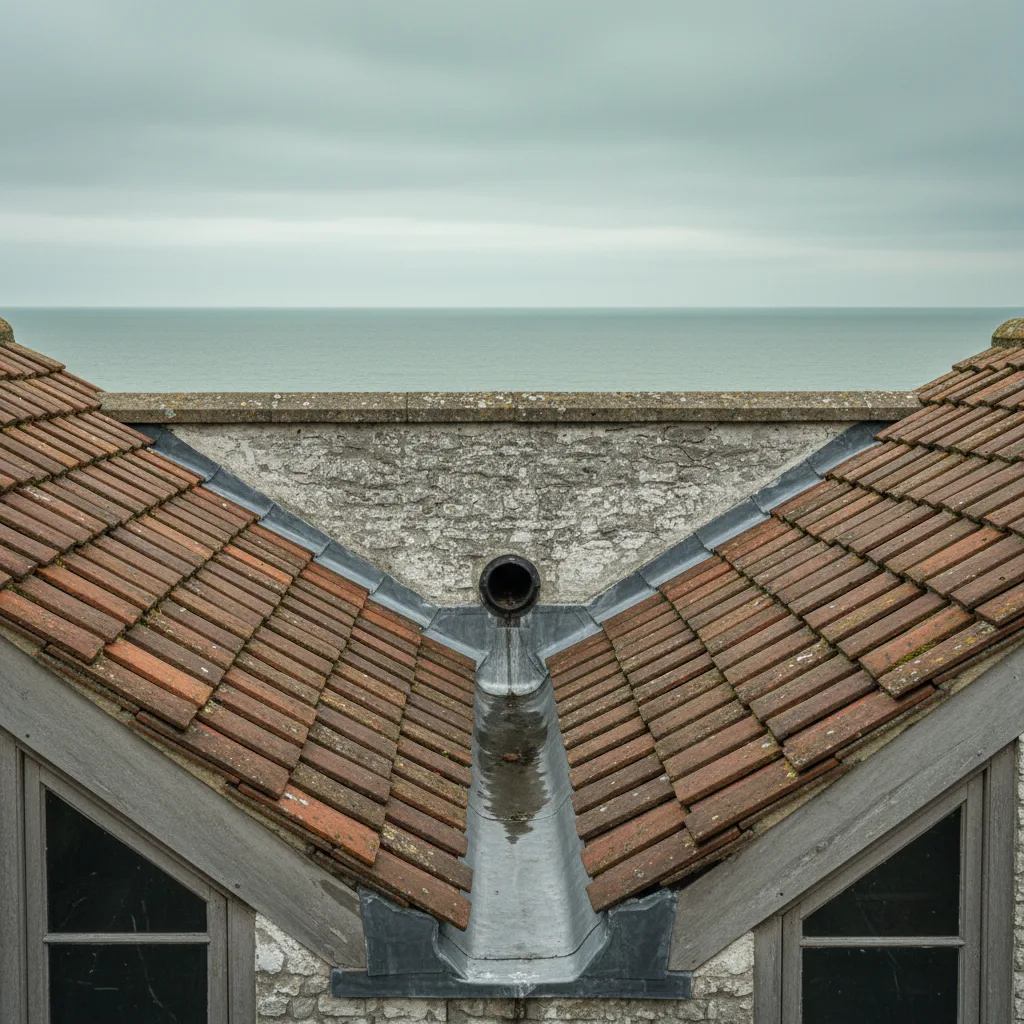
Matching a frame to a room
Worth thinking about where the frame will be seen.
In a room with exposed structure, a dark internal frame can sit better with the timber than a white one. In a plastered reveal, white almost always wins.
It is a decision made by standing in the room rather than by looking at a swatch.
Timber framed versions
A different question, and it comes up on some buildings.
Where a timber framed conservation unit is specified, the internal face can be finished or left to be decorated, which suits a building where the frame will be seen alongside historic timber.
What an officer will specify
Almost never a colour by name, and generally a description.
A condition or a report will say dark, or matt black, or that the unit should not be visually prominent. The specific product colour is chosen to satisfy that.
Where an officer has named a finish, it is worth matching exactly rather than approximating.
Matt against gloss
A detail that matters more than the colour on a sunny slope.
A gloss finish reflects, which on a south facing roof produces a bright line along a frame that a matt finish does not.
Matt or satin is the safer choice on anything visible, and it is worth confirming rather than assuming.
How dark finishes weather
Well, and they show deposit more readily.
A dark coating is no less durable than a pale one. What it does is show salt bloom, chalking and dust earlier, because the contrast is greater.
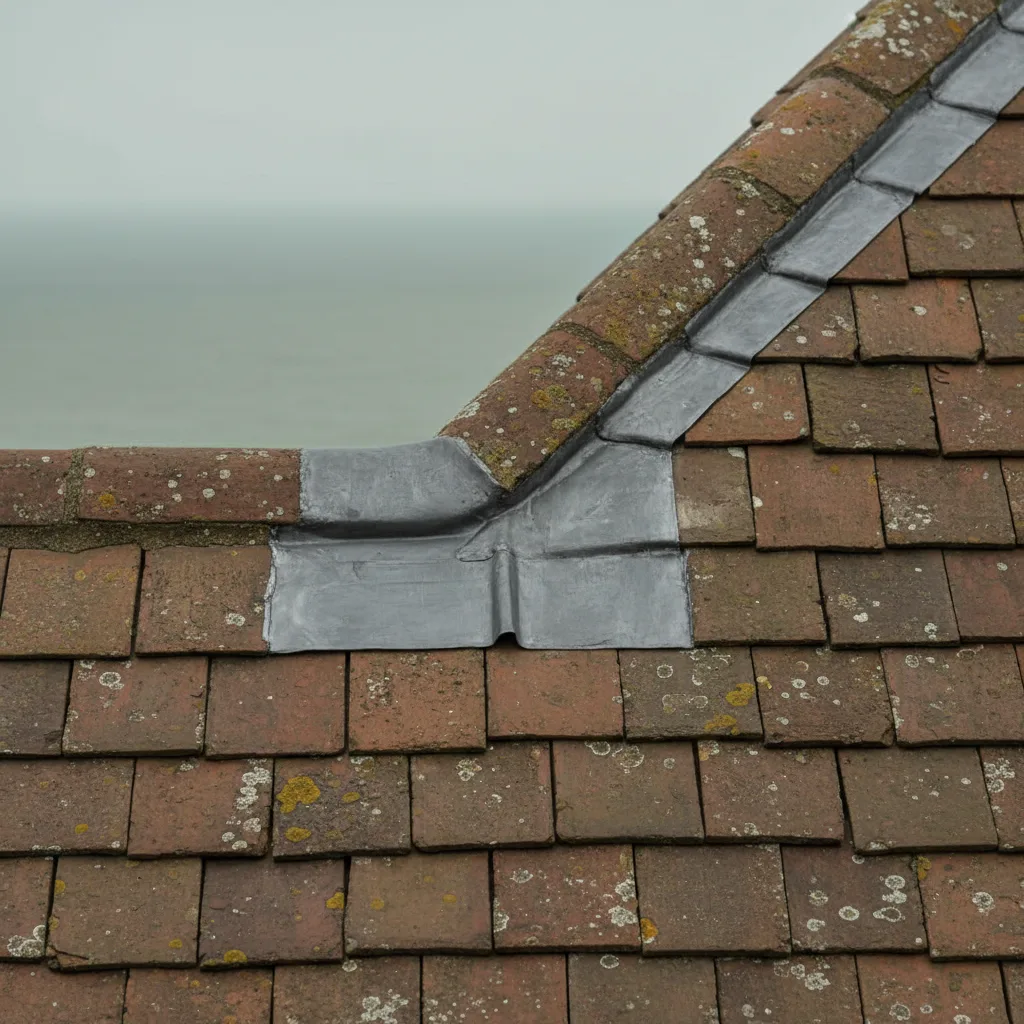
Near the coast that means a dark unit benefits more from an occasional rinse. It is a maintenance point rather than a specification one.
Matching two units
Worth attention where a second is added years later.
Coating batches and product ranges change, and a new dark frame beside a fifteen year old one can read as a slightly different colour at close range.
Where two units will be seen together, ordering both at once is the only reliable way to match them.
Repainting
Possible and rarely necessary.
A factory coating is designed to last the life of the unit, and repainting one on a roof is awkward work with a result that rarely matches.
Where a finish has genuinely failed, that is a warranty conversation rather than a decorating one.
The flashing colour
A detail that undoes the frame choice if it is overlooked.
Lead weathers to a grey that sits well with a dark frame. A bright mill finish aluminium apron does not, and it is the thing that catches the eye on an otherwise careful installation.
Colour and heat
Occasionally raised and it is a small effect.
A dark frame absorbs more solar energy than a pale one, which on a large area of metal would matter and on a slim rooflight frame does not.
What actually decides how warm a room gets is the glass rather than the frame, and that is on what is solar control glass.
Where a pale finish is right
Rarely outside, and reasonably often inside.
On a light coloured covering, a pale grey stone slate or a rendered parapet roof, a very dark frame can read as strongly as a pale one does on slate.
It is a judgement made against the actual covering rather than a rule, and it is one of the few cases where the default is worth questioning.
What we specify as standard on a designated roof
We specify a dark matt external finish on anything visible, a white internal finish unless a room argues otherwise, and a weathering detail whose colour sits with both.
The product overall is described on what is a conservation rooflight.
Thinking about this job? We survey across Worthing, West Sussex and the South Downs and give you a fixed price before any work starts, with a 10-year workmanship guarantee.