Cast iron against pressed steel conservation frames
Conservation rooflights are made in two families of metal and they are not interchangeable. One is the historic material, still available and still made. The other is the modern reproduction, and it is what most current products are. This page is what separates them.
Cast iron, the original
Molten iron poured into a mould and allowed to cool. The frame is formed as a single piece with its section built into the casting, which is why historic units have that heavy, modelled profile with crisp arrises.
It is strong in compression, brittle in tension, and it does not corrode the way steel does. What it forms is a stable surface layer rather than the flaking, expanding rust that destroys mild steel, which is why so many nineteenth century units survive in usable condition.
It is also heavy, and it cannot be bent or welded conventionally. Repairs are made by replacing components or by specialist techniques rather than by fabrication.
Pressed steel, the modern answer
Sheet steel formed to a profile by pressing, then welded, then finished. It reproduces the historic section by folding rather than by casting.
It is considerably lighter, it can be made in more sizes at less cost, and a good one reproduces the historic profile closely. What it depends on entirely is its protective finish, because the steel beneath will corrode if that finish is breached and left.
Most modern conservation rooflights on the market are pressed steel, and the better ones are genuinely convincing.
The comparison
| Cast iron | Pressed steel | |
|---|---|---|
| Formed by | Casting in a mould | Pressing and welding sheet |
| Section | Heavy, modelled, crisp | Lighter, folded, close to it |
| Weight | Substantial | Considerably less |
| Corrosion | Forms a stable surface layer | Depends entirely on the finish |
| Repair | Component replacement, specialist | Conventional, where accessible |
| Cost | Higher | Lower |
| Availability | Specialist makers, longer lead | Widely available |
What an officer sees
The practical question, and the answer is more forgiving than purists suggest.
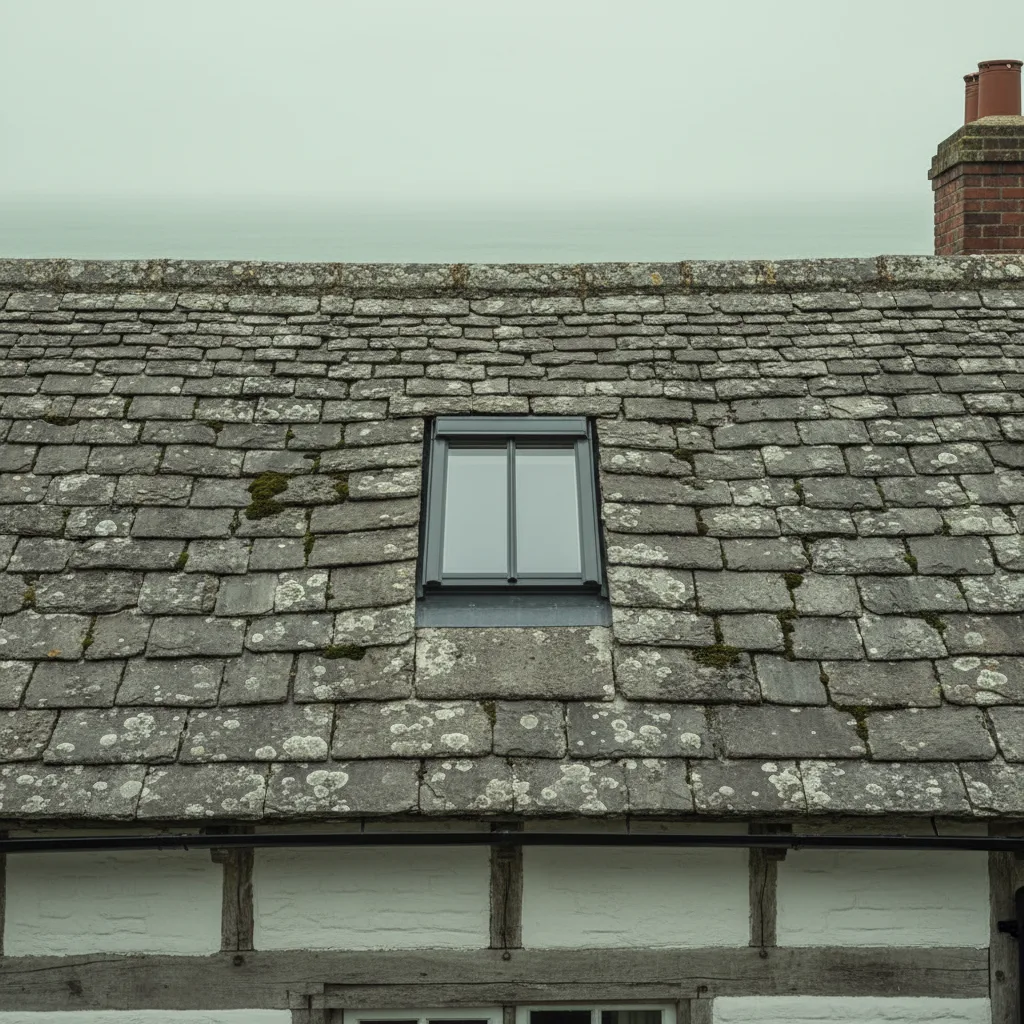
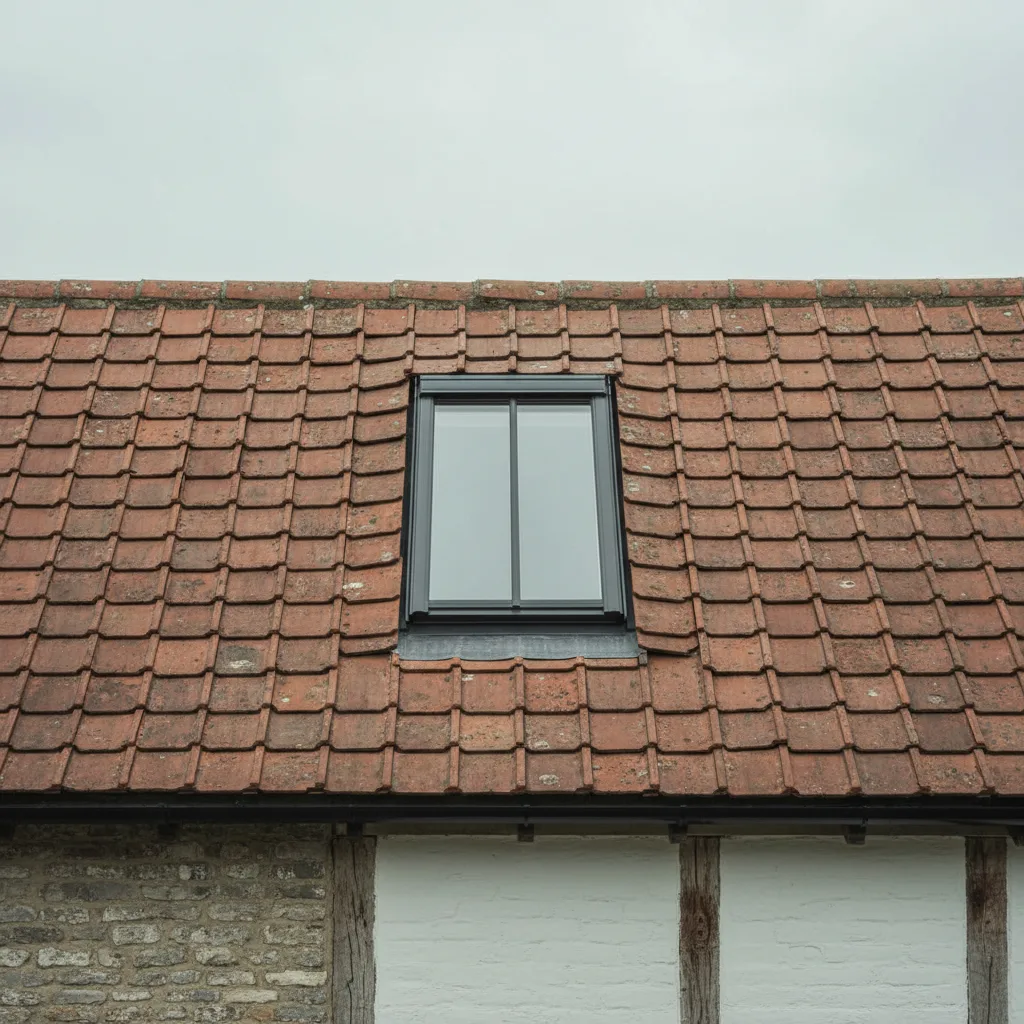
From the ground, at any normal viewing distance, a well made pressed steel unit reads as a conservation rooflight. The profile, the slim section, the central bar and the dark matt finish are all there, and the difference between cast and pressed is not discernible.
At close range, and on a Grade I or II* building where somebody is examining the detail, the difference is visible: a cast section has a crispness and a depth of modelling that a folded one approaches rather than matches.
Which means for most domestic conservation work, pressed steel is entirely appropriate and is what gets specified. Cast iron is for the exceptional case.
Where cast iron is the right answer
- Replacing an existing cast iron unit like for like on a listed building.
- A building of high grade where the officer has asked for it.
- A roof where the covering is heavy and coarse, and a light section would look thin beside it.
- Where a genuine historic section is being matched across several units on one building.
Repair before either
The position that should be considered first on any building with an original unit, and it is frequently achievable.
A cast iron rooflight that has been on a roof for a hundred and forty years is usually structurally sound. What has failed is the glazing, the putty, the paint and the fixings, and every one of those is renewable.
A repaired original, reglazed, redecorated and refixed, is the outcome a conservation officer would prefer to any replacement, because it retains the historic fabric rather than reproducing it. It is more work and it is frequently the better answer.
The obstacle is thermal performance, which is where slim glazing comes in.
Slim glazing in a historic frame
The development that makes repair genuinely attractive rather than a heritage compromise.
Very slim double glazed units, and vacuum insulated glazing, are thin enough to fit rebates designed for single glass. Where an original frame can take one, the unit is retained and the performance moves from hopeless to reasonable.
It is expensive, availability is limited, and the frame section has to be checked properly. On a listed building it is frequently what unlocks a consent, because it satisfies both the conservation officer and the person who has to heat the room.
How each weathers
The long term difference, and it is the strongest argument in cast iron’s favour.
Cast iron corrodes to a stable surface condition and then largely stops. Painted and maintained it lasts indefinitely, and neglected it deteriorates slowly rather than catastrophically. The survival rate of Victorian units is the evidence.
Pressed steel depends on its coating. A good factory finish is durable and where it is breached, by a scratch, a fixing or a cut edge, the steel beneath corrodes and the corrosion creeps under the coating from that point.
Which makes the finish specification, and the care taken not to damage it during installation, more important on steel than on iron.
On the coast
The consideration that applies across this whole site and it bears on the choice here.
Within reach of the Channel, any breach in a coating on steel is where corrosion starts, and salt accelerates it substantially. A pressed steel unit on a seafront roof needs a genuinely good finish, careful installation with no site cutting, and stainless fixings isolated from the frame.
Cast iron is more tolerant of the environment. It is heavier to get onto a roof and the trade is worth considering on an exposed coastal building.
Why salt behaves as it does, and what grade of fixing answers it, are on the stainless fixings page.
Aluminium, the third option
Worth naming because it is what a good deal of the market offers.
Aluminium conservation units exist and they are lighter again, do not corrode in the way steel does, and take a powder coat well. What they struggle with is the section: aluminium needs more material than steel for the same stiffness, so the profile tends to be a little heavier and less crisp.
On a modern building in a conservation area, or on a rear slope, that is frequently entirely acceptable and cheaper. On a coarse historic covering it can look thin, and on a listed building it is less likely to be the specified answer.
The finish, whichever the metal
What is actually seen, and it matters more than the substrate on most jobs.
Dark, matt, and recessive. Historic cast iron was painted and weathered to something flat and dark, and a glossy modern finish reads as modern regardless of what it is made of.
Where a specific colour has been conditioned on a consent, that is the colour ordered, and it is worth checking the order against the decision notice before it goes in.
Thermal performance
The honest weakness of the whole product family, and it is worth being straight about.
A metal frame conducts heat. Cast iron and steel both conduct considerably better than the thermally broken aluminium section in a modern roof window, and the slim profile that makes a conservation unit look right leaves little room for a thermal break.
Which means a conservation rooflight generally performs worse thermally than a standard roof window of the same size, and that is the price of the appearance. On a listed building it is accepted because the alternative is not acceptable visually.
What can be done is to insulate the reveal properly and seal the vapour control layer, because on this product the installation detail carries more of the performance than usual.
Condensation on the frame
Following directly, and it is worth setting the expectation.
A conductive frame runs colder than a thermally broken one, so a conservation unit in a humid room will show condensation on the frame more readily. That is a property of the product rather than a fault.
It makes the insulation collar and the room’s ventilation more important rather than less, and it is a reason to specify a fixed unit with ventilation from elsewhere where the room allows it.
Opening versions
Available in both materials and they carry more frame.
An opening light has its own frame inside the outer one, which on a product whose whole point is a slim section is a real cost in appearance. The better products keep the difference small and it is never nothing.
Where a room needs ventilation the opening version is right. Where it does not, fixed gives the slimmest and most convincing section, and it is quieter and better sealed.

Lead times
Worth planning around, because both are made rather than stocked.
Pressed steel conservation units are made to order and run to weeks. Cast iron is a specialist product from a small number of makers and runs longer, sometimes considerably.
Which combines badly with a consent process that already takes months. On a listed building, ordering cannot start until the consent is granted and any conditions discharged, so the lead time sits on the end of that rather than alongside it.
Recognising what is already on a roof
Useful before proposing anything, because an existing unit tells you what has been accepted here before.
A cast iron unit has a heavy modelled section, frequently with a maker’s name cast into it, and putty rather than gaskets at the glazing. It will be single glazed and the glass may be old, with the slight distortion that indicates it.
A pressed steel reproduction has a folded section with a visible seam or weld line, uniform thickness, and modern glazing. A mid twentieth century timber replacement is obvious from the material.
Where an original survives on a listed building, that is historic fabric and the conversation starts with repair rather than replacement.
Matching across several units
A situation that arises on a larger building and it decides the material.
Where a roof has several rooflights and only some are being dealt with, the new ones sit alongside the old. A pressed steel unit beside a cast iron original, on the same slope, at close range, does not match, and the difference is visible in the section depth rather than in anything you could photograph.
Which is one of the clearer cases for cast iron: not because the building demands it in the abstract, but because the roof already has some and consistency across an elevation matters more than either unit does alone.
What to ask a supplier
- What is the frame made of, and how is it formed?
- What is the visible section width?
- Is the glazing bar a genuine division or applied?
- What is the finish, and what is the specification of it?
- What glazing thicknesses are available, including slim options?
- What is the lead time, and is it made to size?
What we raise on a designated roof
We raise repair of an original before proposing any replacement on a listed building, because it is the outcome an officer prefers and it is frequently achievable. Where a replacement is right we specify pressed steel for most domestic work and cast iron where the building, the grade or the covering warrants it. On the coast we specify the finish and the fixings for the exposure, and we check the order against any condition on the consent.
Most conservation work does not need cast iron. What it needs is a slim dark flush unit with a central bar, and the metal it is made from is the last of those decisions rather than the first.
Thinking about this job? We survey across Worthing, West Sussex and the South Downs and give you a fixed price before any work starts, with a 10-year workmanship guarantee.