Article 2(3) land, and how it narrows permitted development
Permitted development is the set of things you may do to a house without applying for planning permission. On certain designated land that set is smaller, and the legislation refers to that land as Article 2(3) land. It is a piece of jargon worth knowing, because it is what several of the restrictions in this hub hang off.
What permitted development is
A national grant of planning permission, given in advance, for defined classes of development subject to defined conditions.
It is not an absence of regulation. It is a permission that already exists, with limits attached, and the limits are the substance. Exceeding any one of them means the work is no longer permitted development and a planning application is required.
The relevant order is the General Permitted Development Order, and rooflights fall within the class dealing with alterations to a roof.
What Article 2(3) land is
A defined category of designated land where the permitted development rights are narrower, named after the article of the Order that defines it.
It covers conservation areas, National Parks, Areas of Outstanding Natural Beauty, World Heritage Sites and the Broads. On our patch that means the South Downs National Park and every conservation area in every town and village we cover.
Which is a great deal of our work: the older cores of Steyning, Arundel, Ditchling, Amberley, Shoreham, Brighton and Hove, and central Worthing all fall into it one way or another.
What it changes
| Ordinary land | Article 2(3) land | |
|---|---|---|
| Roof alterations | Permitted within limits | Narrower, and some cases removed |
| Side extensions | Permitted within limits | Removed |
| Cladding | Permitted | Removed |
| Outbuildings to the side | Permitted within limits | Removed |
| Larger rear extensions | Wider allowance | Narrower |
The pattern is that anything visible from a public place, or affecting the character of the building as seen from outside, is where the rights are tightened. The reasoning is consistent even where the detail is fiddly.
The rooflight limits that apply anywhere
Two conditions apply to a roof alteration whether or not the land is designated, and they are the ones to know.
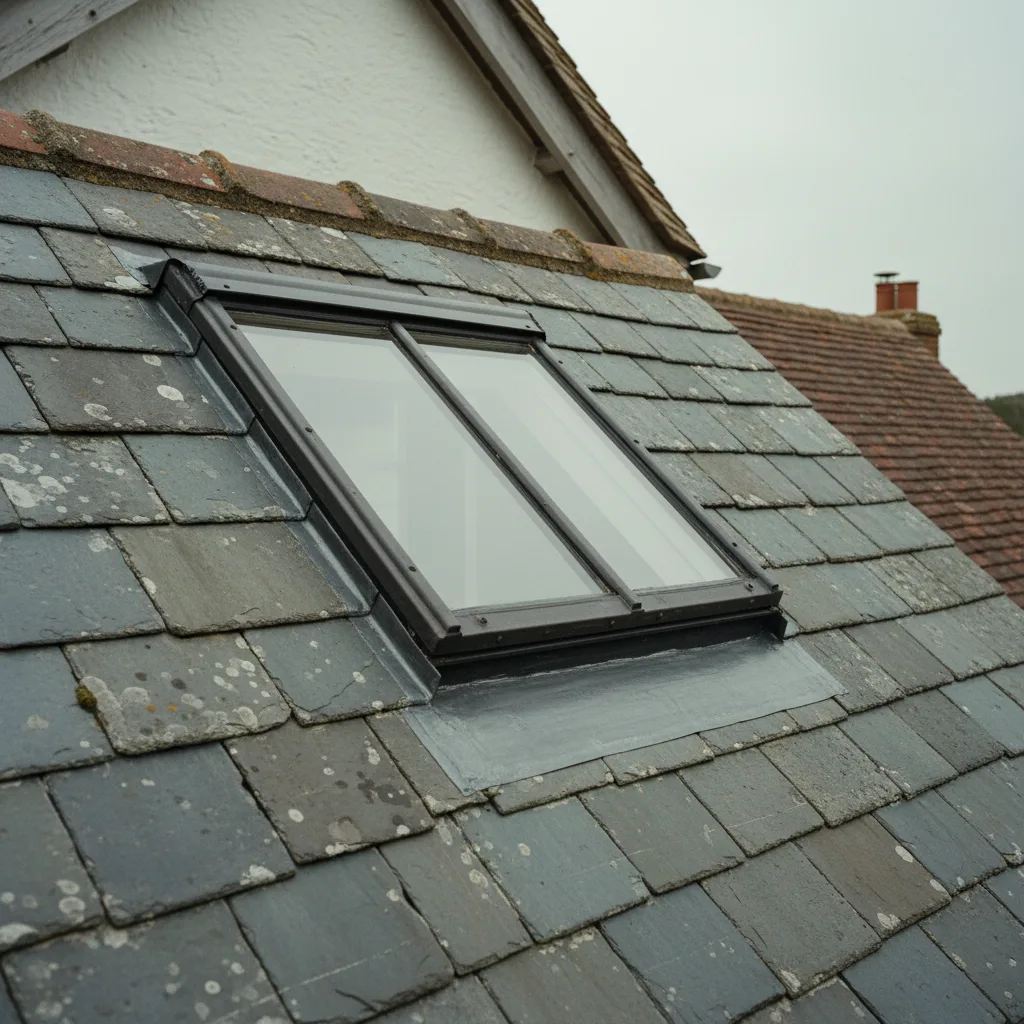
The alteration must not protrude more than 150mm beyond the plane of the slope of the original roof, measured perpendicular to that plane. And it must not be higher than the highest part of the existing roof.
Those are the figures behind the phrase people use about the 150mm rule, and they have their own page because the measurement is more particular than it sounds.

What narrows on designated land
The rights relating to roof alterations are restricted on Article 2(3) land, and the case to check is a slope that faces a highway.
The reasoning is straightforward: the front of a house, seen from the road, is the elevation the designation exists to protect. A rooflight on a rear slope out of public view raises a different question from one on the elevation everybody sees.
Which means the practical position inside a conservation area or the National Park is that a rear slope is frequently still permitted development and a front slope frequently is not. The specific answer depends on the specific building and it is checked rather than assumed.
The word “original”
A definition that trips people constantly and is worth getting right.
The limits are measured against the original roof, which means the building as first built, or as it stood at a defined date for older buildings, rather than as it stands today.
So a house that has already been extended has used some of its allowance, and a roof that has already been altered is measured against what was there originally rather than against the alteration. On a Victorian terrace with a 1970s rear addition, the original roof is the Victorian one.
It is the commonest reason a proposal somebody believed was permitted development turns out not to be.
Flats and maisonettes have none of it
A point that catches people out and it is absolute.
Permitted development rights under this part of the Order apply to dwellinghouses. A flat or a maisonette is not a dwellinghouse for these purposes, and it has no permitted development rights of this kind at all.
Which means any rooflight in a flat requires planning permission, designated land or not. In Brighton, Hove and central Worthing, where so much of the stock is converted flats, that is a substantial category of our enquiries.
It is separate from, and additional to, the freeholder’s consent under the lease.
Listed buildings are a different question entirely
Worth separating firmly, because the two get conflated.
Permitted development concerns planning permission. Listed building consent is a separate regime with its own requirements, and permitted development rights do not touch it at all.
Work to a listed building that affects its character needs listed building consent whether or not planning permission is required, and carrying it out without is a criminal offence rather than a planning irregularity.
Which means “it is permitted development” is not an answer on a listed building. It answers a different question.
Article 4 directions, which are not the same thing
The other piece of jargon, and it is worth keeping the two apart.
Article 2(3) land is a category defined nationally by the Order. An Article 4 direction is something a local planning authority makes over a specific area, removing named permitted development rights there.
So Article 2(3) is a designation you fall into; Article 4 is a decision somebody made about your street. Both narrow what you can do without permission, and they are different mechanisms.
Whether an Article 4 direction applies to a particular street is a matter of record and it is checked rather than guessed at. They are common in conservation areas where the authority wanted more control than the designation alone gives.
How to find out where you stand
- Is the address in a conservation area? The district council publishes the maps.
- Is it inside the National Park? The Authority publishes the boundary.
- Is the building listed? The National Heritage List is searchable.
- Does an Article 4 direction apply to the street? The authority holds the record.
- Is the property a flat rather than a house?
- What is the original roof, and has it been altered since?
All six are public records, all six are free, and between them they establish the position before anybody spends anything.
A lawful development certificate
The formal answer where the position is genuinely unclear, and it is underused.
An application for a lawful development certificate asks the authority to confirm that a proposal is permitted development. It is not permission; it is a determination that permission is not needed.
It costs a fee and takes weeks. What it buys is certainty, and a document the authority has issued, which is worth having on a sale years later when a buyer’s solicitor asks why there is a rooflight and no permission for it.
On a marginal case in a conservation area it is frequently the sensible route.
Why it matters at a sale
The practical reason to get this right rather than proceed on an assumption.
A buyer’s solicitor asks what work has been done and whether it was authorised. Work carried out under permitted development needs no permission, and demonstrating that it was permitted development is easier with a certificate than with an argument.
Work that turns out to have needed permission and did not have it is a problem at that point, and the remedies are retrospective application or indemnity insurance, neither of which anybody wants to be arranging during a sale.
Enforcement, and time limits
Worth knowing rather than relying on. Planning enforcement is subject to time limits, after which unauthorised development may become immune from action. Those limits are set in legislation and they have been changed in recent years, so anybody relying on them should check the current position rather than a remembered figure.
What has no such comfort is listed building work. There is no equivalent immunity for works carried out to a listed building without consent.
The sensible position is to establish the requirement first, because none of this is a plan.
What it means in practice for a rooflight
Bringing it together, because the detail above is more forbidding than the reality.
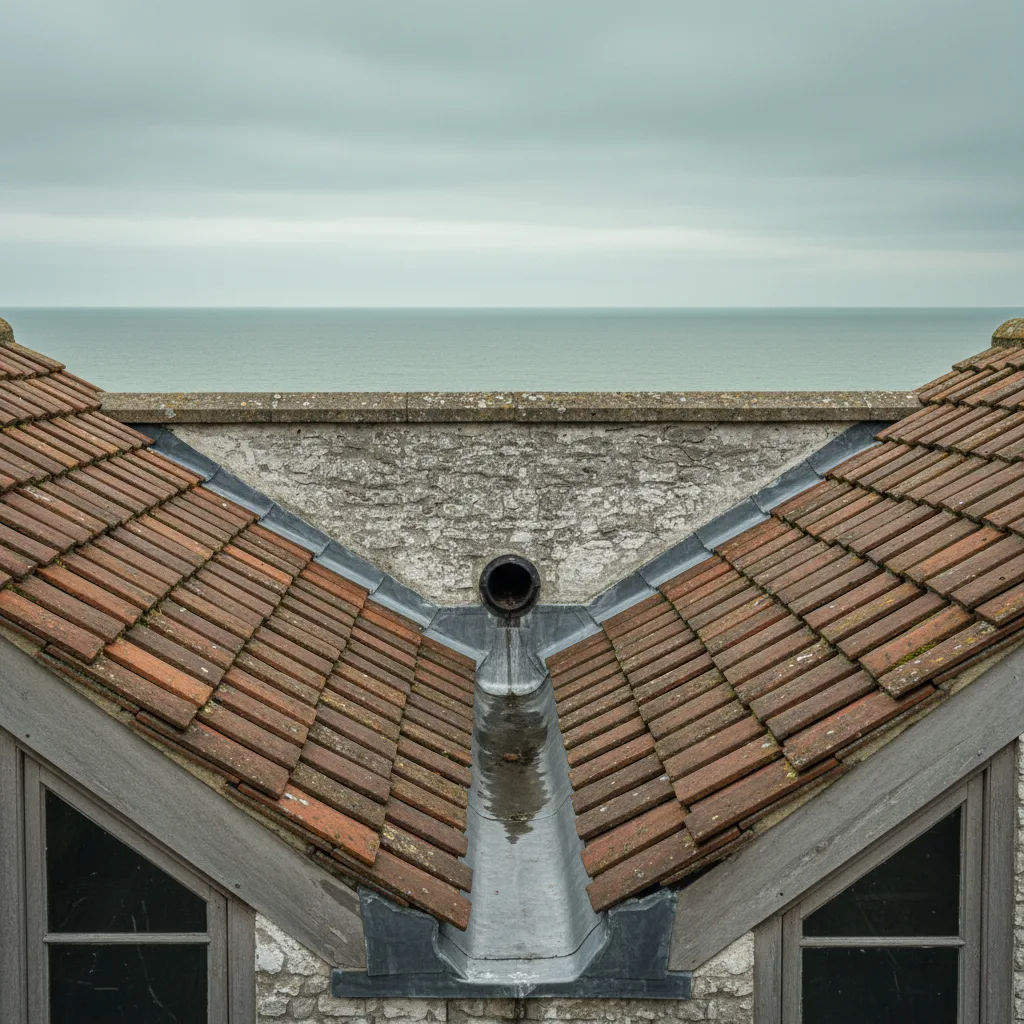
On an unlisted house in a conservation area or the National Park, a rooflight on a rear slope, not projecting more than the limit and not above the ridge, is frequently permitted development. That describes a large proportion of what we fit.
On a front slope, on a flat, or on a listed building, it is not, and an application is needed. That describes the rest.
The work is establishing which of those you are in, and it costs nothing but an hour of checking.
Rights that were removed by a previous owner
A situation that surprises people and it is worth checking on a house that has been extended.
Where a planning permission was granted in the past, the authority may have attached a condition removing permitted development rights for future work. That is common on new estates and on conversions, and it survives the sale of the house.
So a property can have no permitted development rights for reasons that have nothing to do with any designation, and the only way to know is to look at the planning history for the address on the authority’s register.
It is a five minute check on a public record and it is the sort of thing that turns an assumption into a refusal notice.
Getting it wrong in the other direction
Worth naming, because caution has a cost too.
People applying for permission they did not need pay a fee, wait months, and occasionally receive conditions on work that was free to do. On a rear slope on an unlisted house in a conservation area, that happens.
Which is the argument for checking properly rather than defaulting either way. The six checks above take an hour and they distinguish the case that needs an application from the case that does not, and both errors cost something.
Building Regulations regardless
The last thing to keep separate, because it applies in every case above.
Forming a new opening in a roof is notifiable under the Building Regulations whether or not planning permission is required. Permitted development says nothing about it.
We notify Building Control where the work is notifiable and the completion certificate comes to you, which is the document a buyer’s solicitor asks for alongside any planning position.
What we look for on a designated roof
We check the six items above against the specific address before saying anything about whether permission is needed, and we say plainly when the answer is that it is. On a marginal case we recommend a lawful development certificate rather than proceeding on a view, and we never treat permitted development as an answer on a listed building.
Article 2(3) land is jargon for a simple idea: on designated land, the free allowance is smaller. Knowing which side of it you are on is the whole of the work.
Thinking about this job? We survey across Worthing, West Sussex and the South Downs and give you a fixed price before any work starts, with a 10-year workmanship guarantee.